Aizuwakamatsu: A Warm, Historic Japanese Town and Gateway to Incredible Snow
Sponsored content
Mountainwatch | Chris Jack
If you’ve spent time traveling around Japan, you’ve probably noticed that some places feel almost too set up for tourists. Well, the city of Aizuwakamatsu is the opposite – in the best way. Located in central Honshu’s Fukushima Prefecture it takes about 2.5 hours from Tokyo using the Shinkansen and Local trains or Bus. It’s a very authentic town, full of history, traditions, and old-world charm while the people here are incredibly friendly and genuinely excited when visitors show up.
It’s the kind of place where you end up chatting with a shop owner, soaking in an onsen surrounded by locals, or getting invited to try a snack you’ve never seen before.

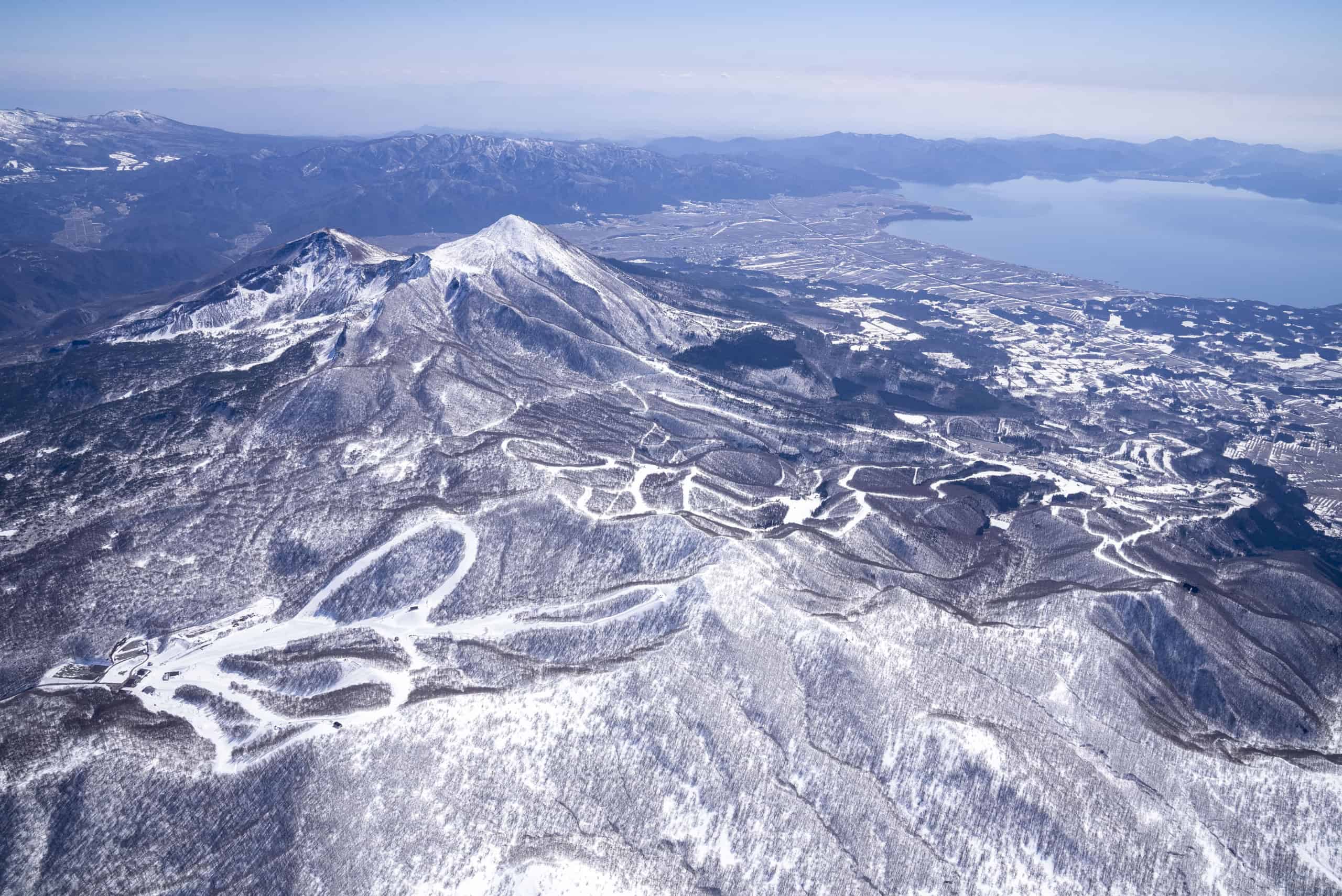
On top of that, Aizu (as locals shorten it) is surprisingly affordable compared to more popular mountain areas in Japan. Accommodation, food, and even transport tend to be cheaper, which makes it a great base – especially in winter when everyone is chasing snow. With seven ski resorts within an hour’s distance, including the well-known NEKOMA Mountain and Inawashiro Resort, it makes sense to stay in Aizu and enjoy good food and nightlife. There is a big variety of accommodation options, and you can still be on the slopes quickly every morning. There are regular local buses to the resorts and making it easy to get to the mountain for a day’s skiing.
But the skiing is just one part of what makes Aizuwakamatsu special. The real magic is the town’s personality which is rooted in Samurai history, preserved through traditional crafts, but still lived and expressed in a warm, approachable way.

Aizu’s Samurai past: More than just old stories
Aizu is a place where history isn’t locked behind glass cases – it’s woven into the streets, the buildings, and even the conversations you overhear. If you’re interested in samurai history, the town is rich with stories connected to the Shinsengumi, as well as the story of the Byakkotai, a young warrior unit of the Aizu domain whose fate has come to symbolise the final days of the Edo period.
Shinsengumi
The Shinsengumi were essentially a special Samurai police force during the 1800s, connected to Aizu through their commander, who was the Domain Lord. The domain was fiercely loyal to the Tokugawa shogunate, which shaped a big part of its identity. You’ll find statues, plaques, and small museums around town that tell their story, and even if you’re not a history buff, you can feel the pride people still have for this part of their heritage.
Byakkotai
The Byakkotai story is the one that hits you emotionally. These were teenage samurai – actual kids – who fought in the Boshin War. Their final moments on Iimoriyama are remembered all over Japan, and when you visit the hill, see their graves and look out over the town, it’s easy to understand why this story stayed with the nation. It’s tragic, but it’s also one of those historical moments that remains with you long after you’ve left.

A town where old traditions still live naturally
One of the best things about Aizuwakamatsu is that the traditional arts here aren’t “touristy” or staged. They’re part of everyday life and are often looked after by families who’ve been doing these crafts for centuries.
Lacquerware (Aizu-nuri)
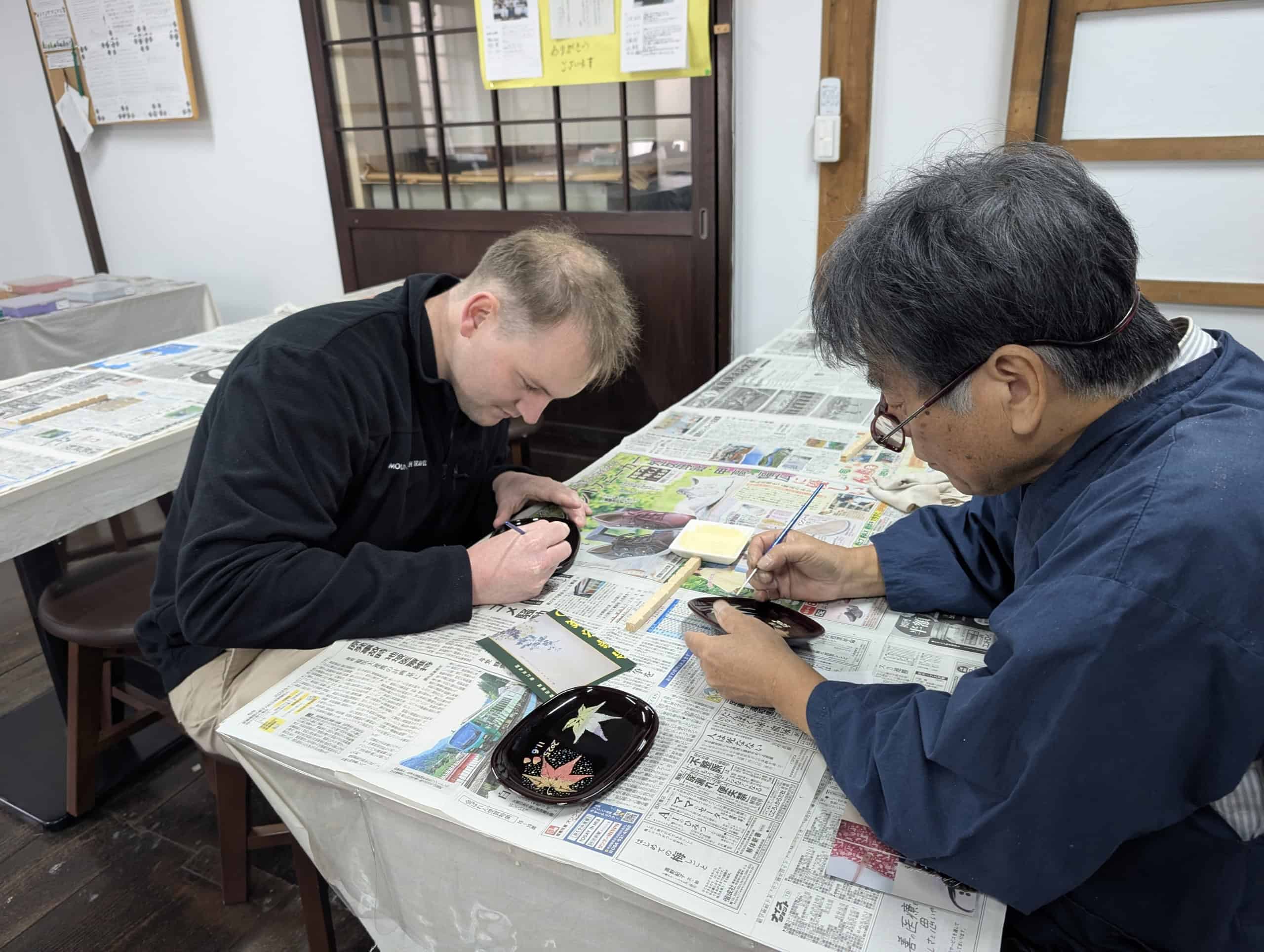
Aizu is famous for its lacquerware, and you’ll see it everywhere – bowls, trays, chopsticks, decorative pieces. There are workshops in town where you can watch true artisans at work and the patience and skill involved is pretty mind-blowing. This isn’t mass-produced souvenir stuff; it’s the real deal, made the same way it has been done for over 400 years
Blacksmith Families
Another tradition that survives here is blacksmithing. This town has a long history of forging samurai swords, and workshops are still in operation today. While they are no longer necessarily making full katanas – having shifted over the years to specialize in tools such as hoes – they continue to preserve the tools, techniques, and knowledge of the craft. Visiting one of these workshops is a rare experience, offering a glimpse into how swordsmiths worked and lived through the Edo period.
Candle painting
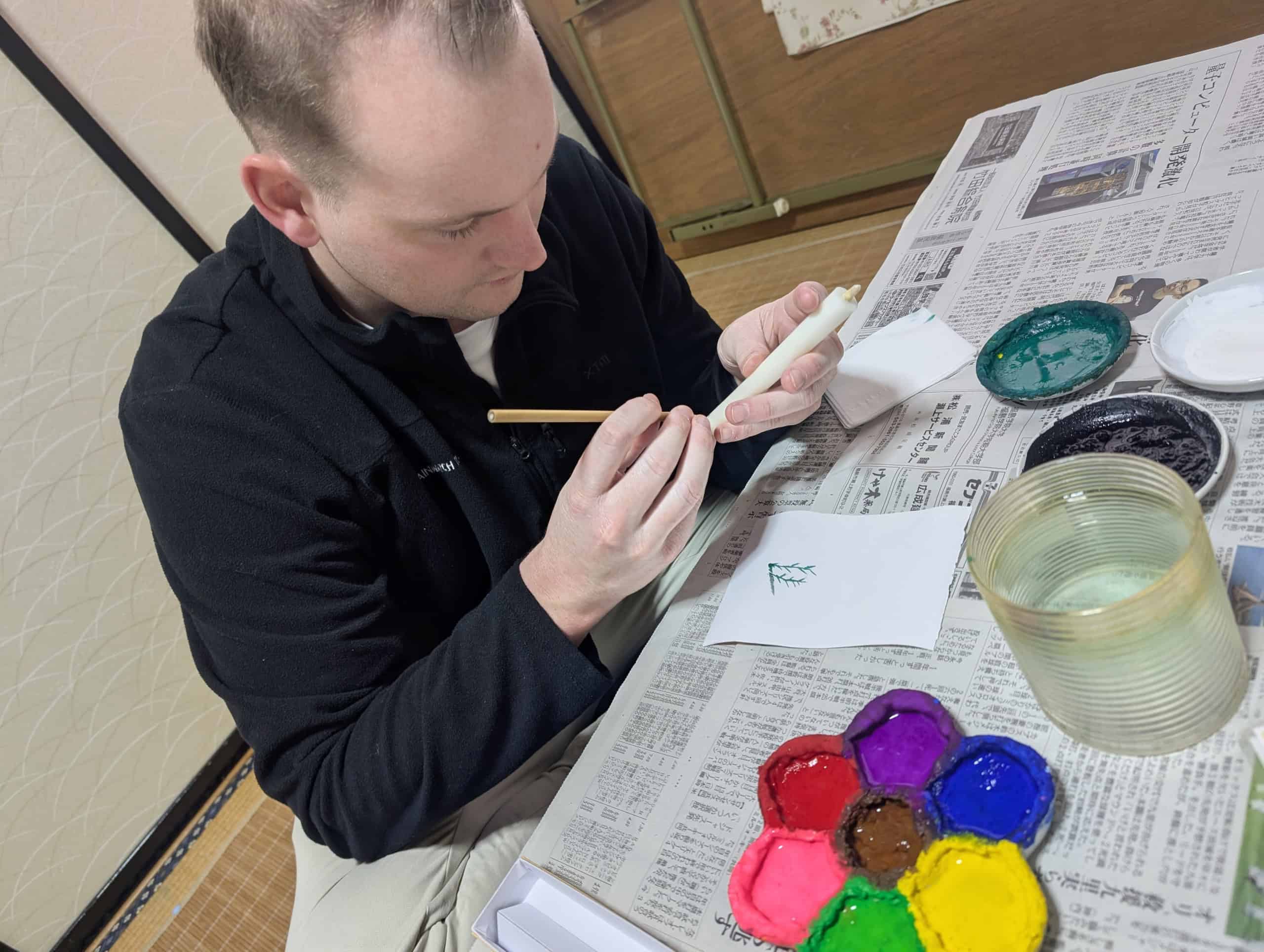
Aizu is also known for its hand-painted candles, a traditional art form that represents the region and was once presented to the shogunate during the Edo period. These thick, elegant candles – known as Aizu e-rosoku – feature detailed floral designs, and the craft dates back hundreds of years. Today, artisans still paint each candle by hand, and some workshops offer visitors the chance to try painting their own.
A casual taste of Matcha “Nodate”
In warmer months, the tea ceremony experience ”NODATE” can be held outdoors at Tsruga Castle. Sitting in the castle grounds, sipping matcha that doesn’t follow etiquette – it’s one of those “this is why I travel” moments. It’s calm, peaceful, and feels completely genuine.
Aizu Clan School : A real Samurai education
Another highlight is the Aizu Clan School (Nisshinkan). This was one of the oldest and most respected Samurai schools in Japan. Samurai children studied everything here: calligraphy, etiquette, martial arts, archery, and even swimming (yes, they had a dedicated pool for warrior training) – making it the earliest schools in Japan to have a swimming pool.
The school has been restored, and you can walk through the buildings and training areas, as well as try your hand at archery. It’s surprisingly interactive and you get a real sense of what life was actually like for young Samurai, not just a vague description form reading history books.
Suehiro Sake Brewery: Over 170 years of sake brewing tradition

If you like sake, or even if you don’t know much about it, make time for Suehiro Brewery. It’s one of the oldest in Japan and what sets it apart is the sense of continuity. The family has been brewing here for half a millennium, and their current owner is very charismatic and passionate about his craft.
A tour takes you through the old wooden building designated as a Registered Tangible Cultural Property of Japan, the brewing rooms, and the equipment they still use. The tasting at the end is excellent, with both classic and modern varieties. Even if sake isn’t usually your drink, chances are you’ll find something you like here. And the owner’s hospitality alone makes it worth the visit.

Winter in Aizu: A Relaxed Ski base with Great Snow
Now, let’s talk skiing and snowboarding.
Aizuwakamatsu makes a great base town because:
- Accommodation is cheaper
- Food and bars are in walking distance
- The vibe is friendly and laid-back
- You’re not stuck in a “resort bubble”
- And you still get access to great snow
There are seven ski resorts within about 60 minutes, which is incredibly convenient. Most hotels can arrange shuttles, or you can use the buses that run from the town to the mountains.
The two big names:
Hoshino Resorts NEKOMA Mountain
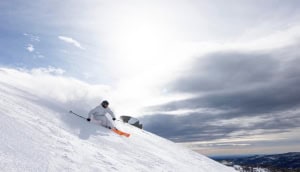
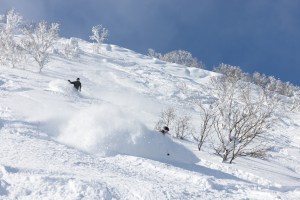
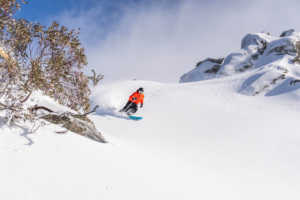
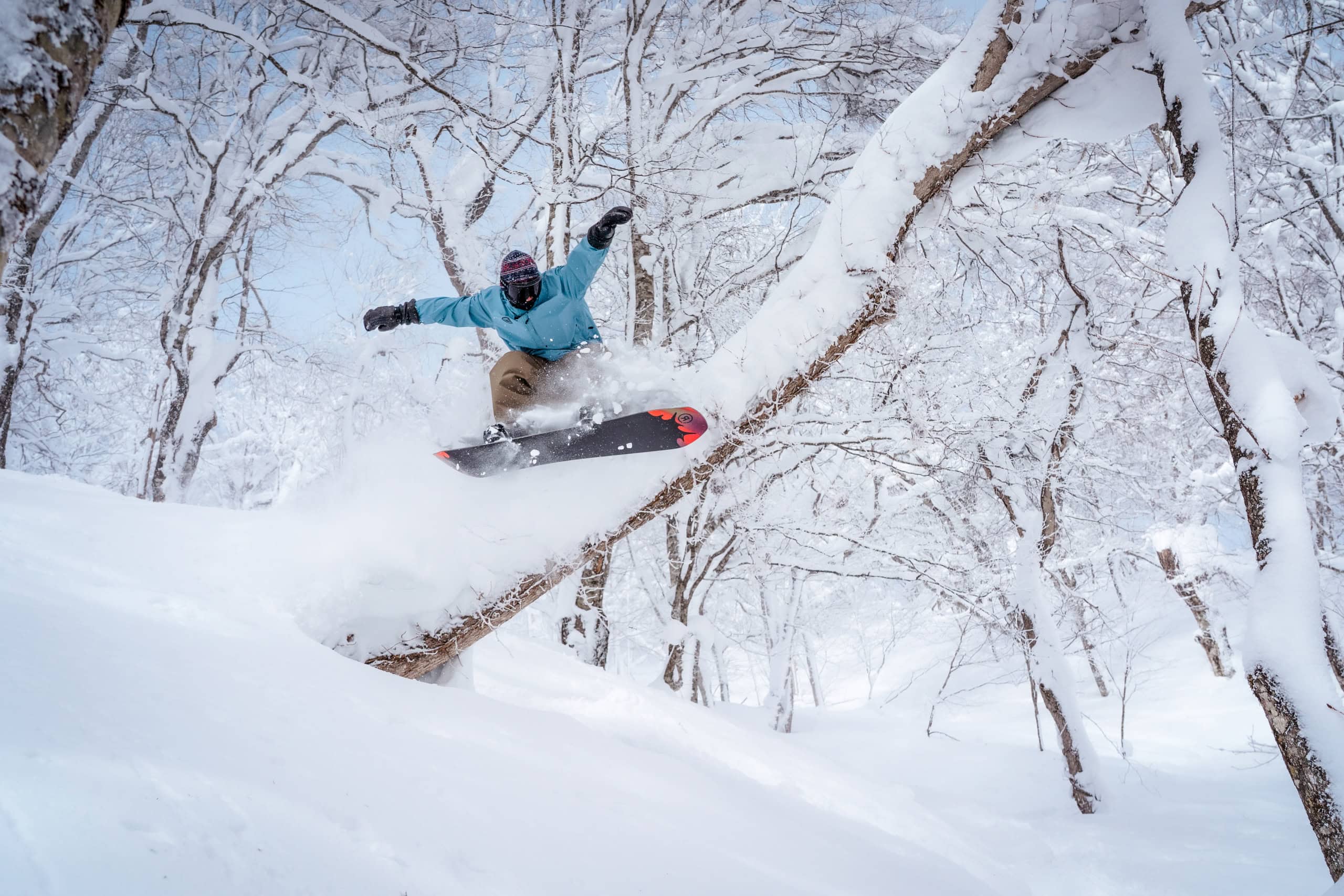
NEKOMA Mountain gets fantastic powder and has a good mixture of terrain. It’s more laid-back than the mega-resorts up north, but in a good way – you spend more time riding and less time waiting in lift lines. The atmosphere is relaxed, and the views of the surrounding mountains are gorgeous.

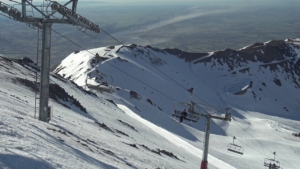
Inawashiro Resort has a wider spread of groomers, night skiing, and incredible views of Mt Bandai Lake Inawashiro. It’s a great option for families, beginners, and intermediate riders. There’s enough variety to keep you busy for several days, and the snow quality holds up surprisingly well thanks to the altitude and aspect.
Inawashiro also has a “motion recorders”, automatic cameras that allow visitors to capture their skiing or snowboarding performance
Early mornings are special, and you may be skiing above a sea of clouds while at night there is torchlight skiing – every part of the day offers something different, something special.
Because the mountains are so close to town, you can head up for just a few hours, come back for lunch, or spend the entire day on the snow and hit local bars afterward.
Find out more about Aizu’s snow resorts here.
Where the town comes alive: Bars,Restaurants and local hangouts
One thing travelers may not expect is how good the nightlife and food scene is. Aizuwakamatsu is a vibrant nightlife and incredible food scene. I’m not talking nightlife in the sense of big clubs or loud venues, Aizu’s is more intimate and local, which makes the experience more authentic.

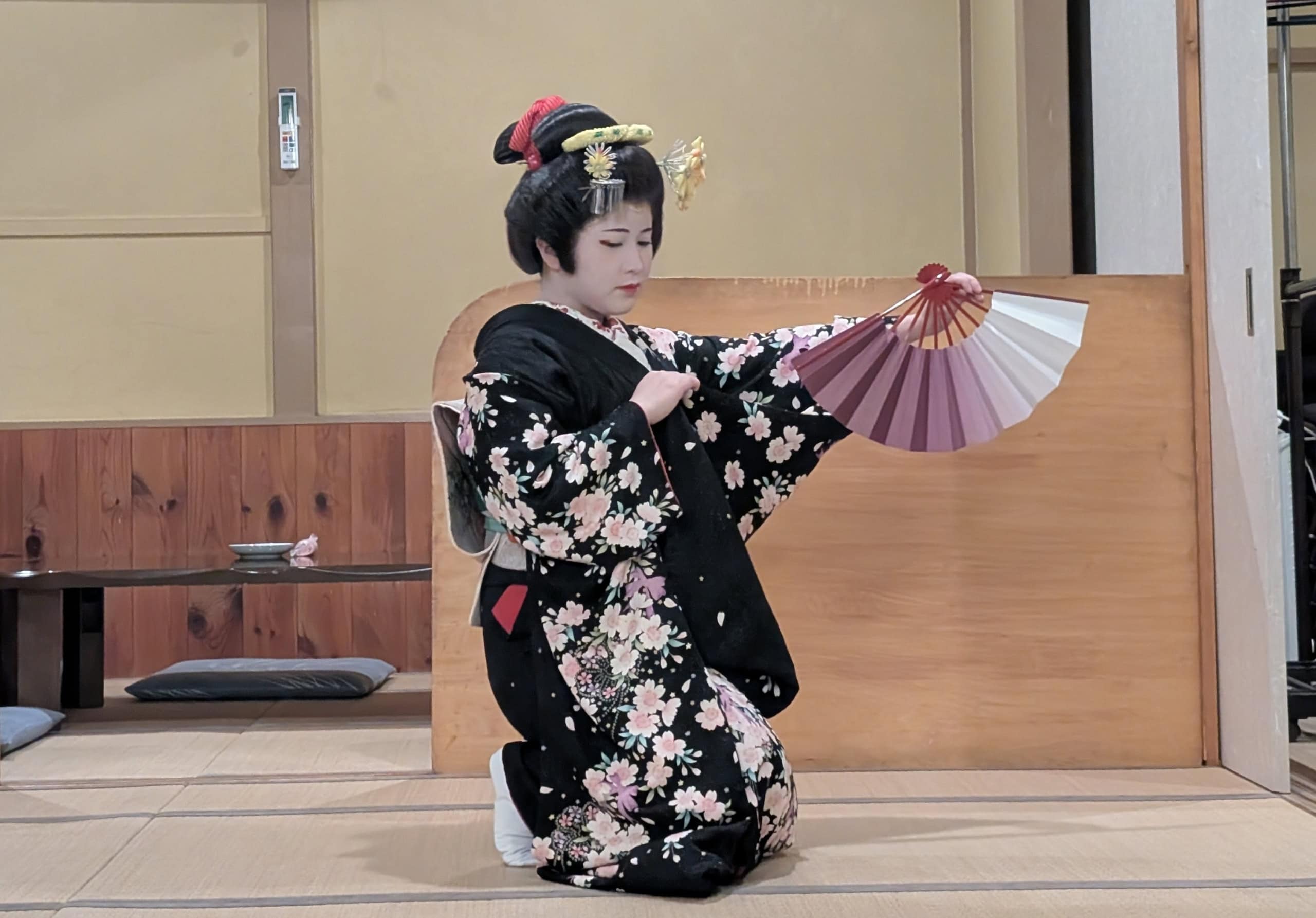
Local hotels even have a map of about 25 bars and restaurants that specifically want foreign visitors to come. These places are run by locals who love chatting with travelers, showing off their food, or pouring you their favorite sake. They have a special bar-hopping menus (hashigo-sake) where you can get a drink and small dish for 1,000yen. You might start the night at a small izakaya, move on to a cozy bar, and end up in a ramen shop chatting with strangers. If you are lucky you may even be treated to a surprise performance by a geisha, locally known as Higashiyama Geigi, dancing at a local izakaya.
The atmosphere is welcoming rather than overwhelming. Nobody expects you to speak perfect Japanese. People are happy you came.
Onsens: Relaxation the Aizu Way
Aizuwakamatsu is surrounded by natural hot springs, and visiting a local onsen is one of the best ways to unwind after a day on the slopes or sightseeing. There are traditional bathhouses, ryokan-style onsens, and everything in between.
What stands out is how local the experience feels. You’re bathing alongside residents who treat the onsen like part of daily life. It’s calm, unpretentious, and surprisingly social – people will smile, nod, or even strike up simple conversations. If you’re used to more touristy onsen towns, the authenticity here is refreshing.
Why Aizuwakamatsu Deserves a spot on your Japan Itinerary
The thing about Aizuwakamatsu is that it’s not trying to be anything other than itself. It’s a town that has kept its traditions alive, not because it wants to impress visitors, but because that’s simply who the people are. There are amazing local cuisines such as miso dengaku, ramen, and sauce-katsu as well as sake. Travel here feels more intimate and genuine than in many better-known destinations.

Here’s what I found stood out the most:
- Locals are incredibly friendly
- Accommodation is more affordable
- You get access to multiple ski resorts
- You can explore real samurai history up close
- Traditions like lacquerware and candle painting are still actively practiced
- You can tour a 170-year-old sake brewery
- The nightlife is small but very welcoming
- The town is beautiful in any season
If you’re looking for a place that blends culture, history, snow sports, and everyday Japanese life – and does it without crowds or inflated prices – Aizuwakamatsu is absolutely worth the trip.
Find out more about Aizu here.