World Snow Wrap, November 27th 2026 : World Snow Wrap: Early-Season Powder Across Three Regions
Mountainwatch | Reggae Elliss
Here we are, the first World Snow Wrap for the 2026/27 Northern Hemisphere snow season and it is kicking into gear with significant early-season snowfalls across Japan, parts of North America and the European Alps.
Japan is leading the charge, where some resorts have are reporting big November accumulations and several areas opening ahead of schedule. The western USA has also seen a solid start in parts of California and the Rockies, while British Columbia and Alberta are beginning to get lifts turning.
Europe is a more mixed picture, with some huge snow falls in the Western Alps. A few high-altitude resorts are already operating and others waiting for colder temperatures and more consistent snowfall before opening.
Here’s a look at the latest conditions, standout snow totals and resort openings across four key Northern Hemisphere regions as of November 26.
Japan – A massive early-season start in Hakuba
Japan is enjoying one of its most impressive November starts in recent memory, with a series of cold air outbreaks bringing heavy snowfall to Honshu’s Japanese Alps, parts of Tohoku and the western regions of Hokkaido.
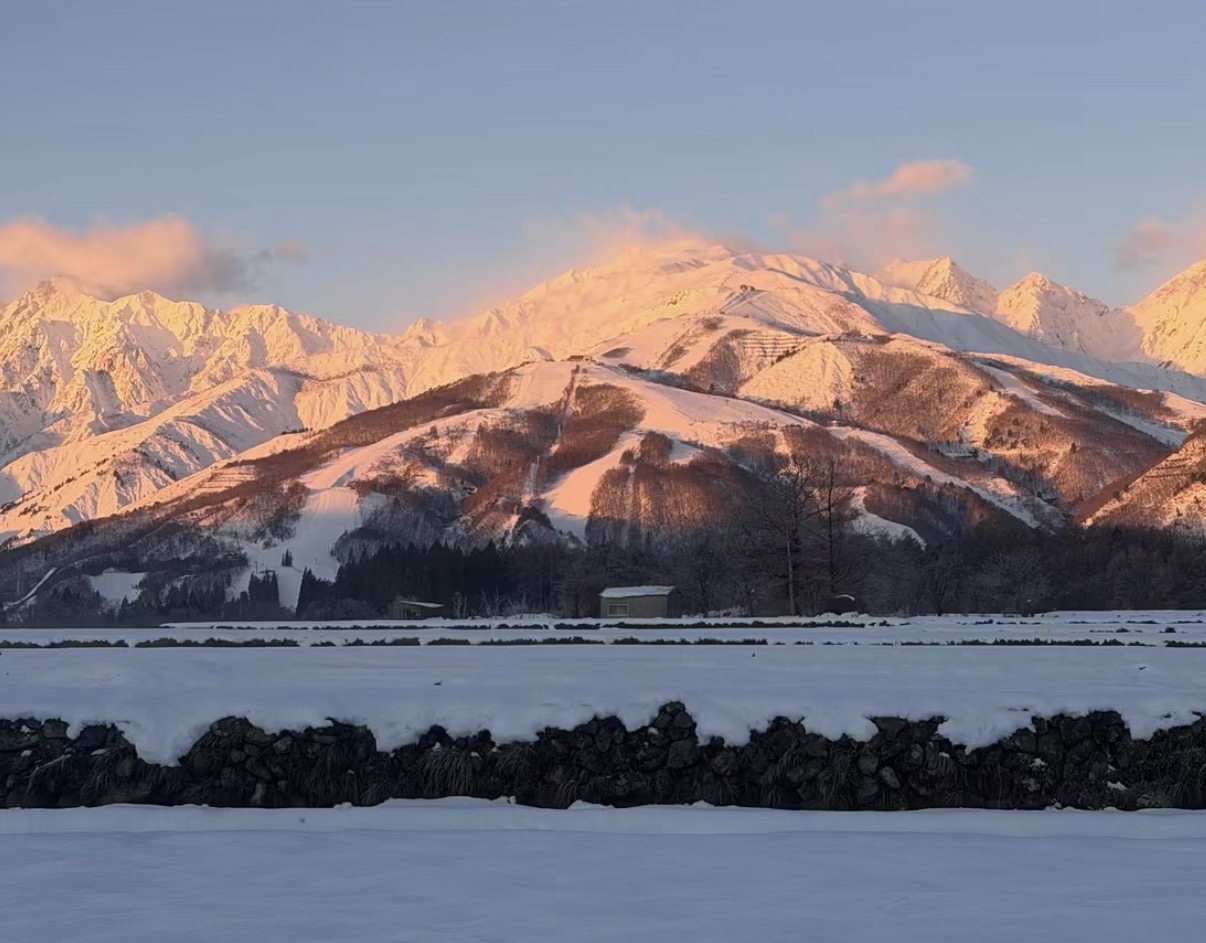
The Hakuba Valley has been a major beneficiary, with some resorts recording close to two metres of snowfall over a four-day period last week. Happo-One has been reporting particularly impressive conditions, with a snow depth of 261cm at Usagidaira (the top of the gondola) around 1400m. Hakuba47 was reporting 180cm at the top, while Goryu had 140cm. These are upper-mountain measurements rather than snow depths across the entire resorts. There has also been some rain at base level earlier in the week.
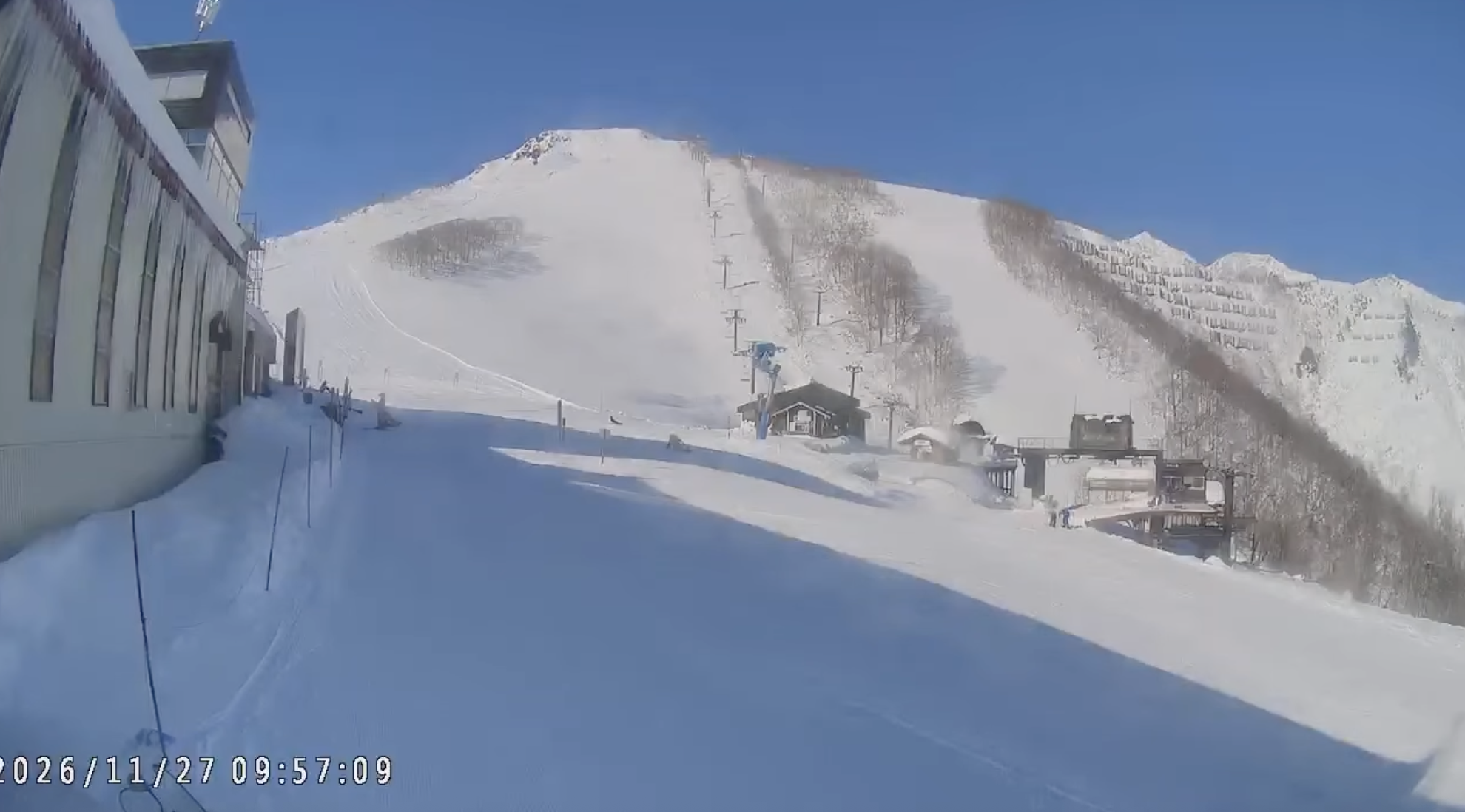
The early snow has allowed several Hakuba resorts to bring forward their openings. Happo-One, Goryu and Hakuba47 began limited operations on November 21-22, although some areas have been operating intermittently as conditions and lift access change.
Further north, Hokkaido has also received a substantial early-season dump. Kiroro has reported more than 125cm of snowfall during the recent storm cycle, while Sapporo Kokusai and Sapporo Teine have also received significant accumulations. Sapporo Kokusai opened on November 22, with 90cm reported at the resort, while Teine recorded 60cm at its summit. Niseko has a season total of 94cms at base levels but warmer temps this week has lead to some rain at times.
The big news is that the main Hokkaido resorts are now preparing to open. Niseko United, Rusutsu, Kiroro and Furano are targeting November 28, with Nozawa Onsen is also scheduled to start operations around the same time.
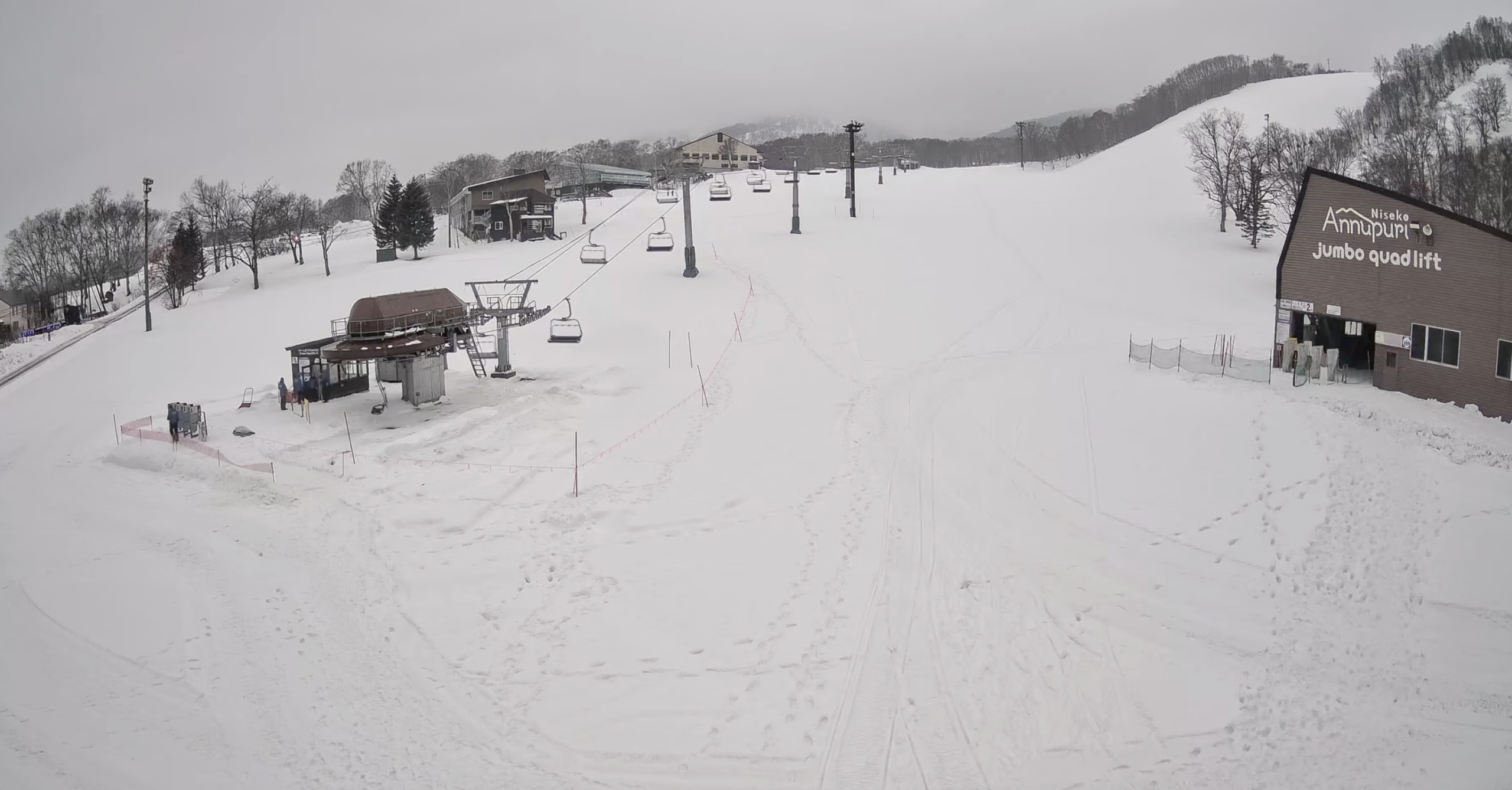
There is still plenty of early-season terrain to open, but warmer weather could interrupt the momentum before colder temperatures next week.
The weekend is looking good for central Honshu, the forecast for more snow and colder temps across the weekend before temperatures climb again next week. Resorts in Hokkaido will also see some snow while temperatures wil remain cold, Niseko’s daily max ten mops below her from Tuesday. As for incoming snow, Hakuba is currently leading the Japanese resorts with 39cm forecast, while Niseko is looking at 27cm. Myoko Kogen is forecast to receive 27cm, Hakkaisan 24cm and Furano 22cm. Rusutsu and Nozawa Onsen are both looking at around 19cm.
Standout early-season snow totals:
- Hakuba Happo-One: 261cm upper-mountain depth.
- Hakuba47: 180cm upper-mountain depth.
- Hakuba Goryu: 140cm at top station
- Kiroro: more than 125cm reported in the recent storm cycle.
- Sapporo Kokusai: 90cm reported depth.
Open: Happo-One, Hakuba47, Goryu, Sapporo Kokusai, Sapporo Teine (check daily status), Shiga Kogen Kumanoyu and Yokoteyama.
Opening soon: Niseko United, Rusutsu, Kiroro, Furano, Nozawa Onsen and Kagura – November 28; Tsugaike – December 1.
USA – California and Utah lead the way
The western USA has enjoyed a healthy start to the season, with California’s Sierra Nevada receiving some of the biggest early-season snowfalls, while Utah and parts of the central Rockies have also benefited from a series of storms.
California has been a particular standout. A strong storm cycle through mid-November delivered substantial accumulations across the Lake Tahoe region, with Sugar Bowl and Boreal among the biggest beneficiaries.
Over the five days from November 15-19, Palisades Tahoe received 155cm, Sugar Bowl recorded 168cm of snowfall, while further southe Mammoth received 84cms. Snowbird in Utah also recorded 64cm, with Alta receiving 56cm.
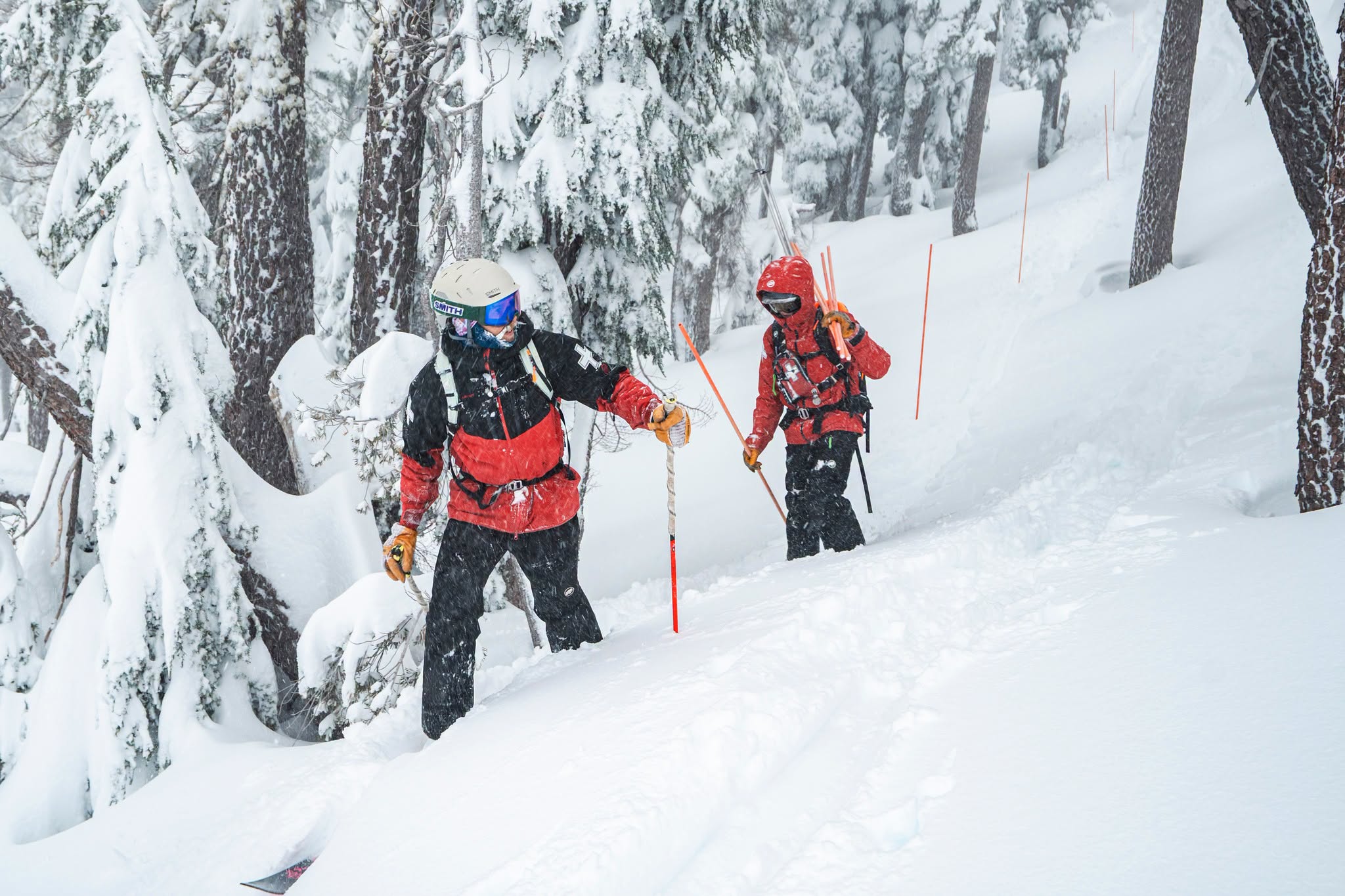
The snowfall has helped get a number of California resorts up and running. Mammoth Mountain opened on November 5 and has recorded a season total of 142cm, with 130 trails reported open on November 25. Kirkwood opened on November 23 and was reporting a season total of 193cm. Heavenly, Northstar, Palisades Tahoe and Sugar Bowl have also opened, with varying amounts of terrain available.
Further inland, Utah is also getting its season underway. Brighton and Solitude have opened, while Alta, Snowbird, Park City and several other resorts have started operations this week. Colorado has had a more modest start in terms of natural snowfall, but a number of major resorts are already open, including Arapahoe Basin, Keystone, Loveland, Copper Mountain, Breckenridge and Winter Park.
The next wave of openings includes Aspen Mountain and Snowmass on November 26, with additional terrain and resorts expected to come online as conditions improve.
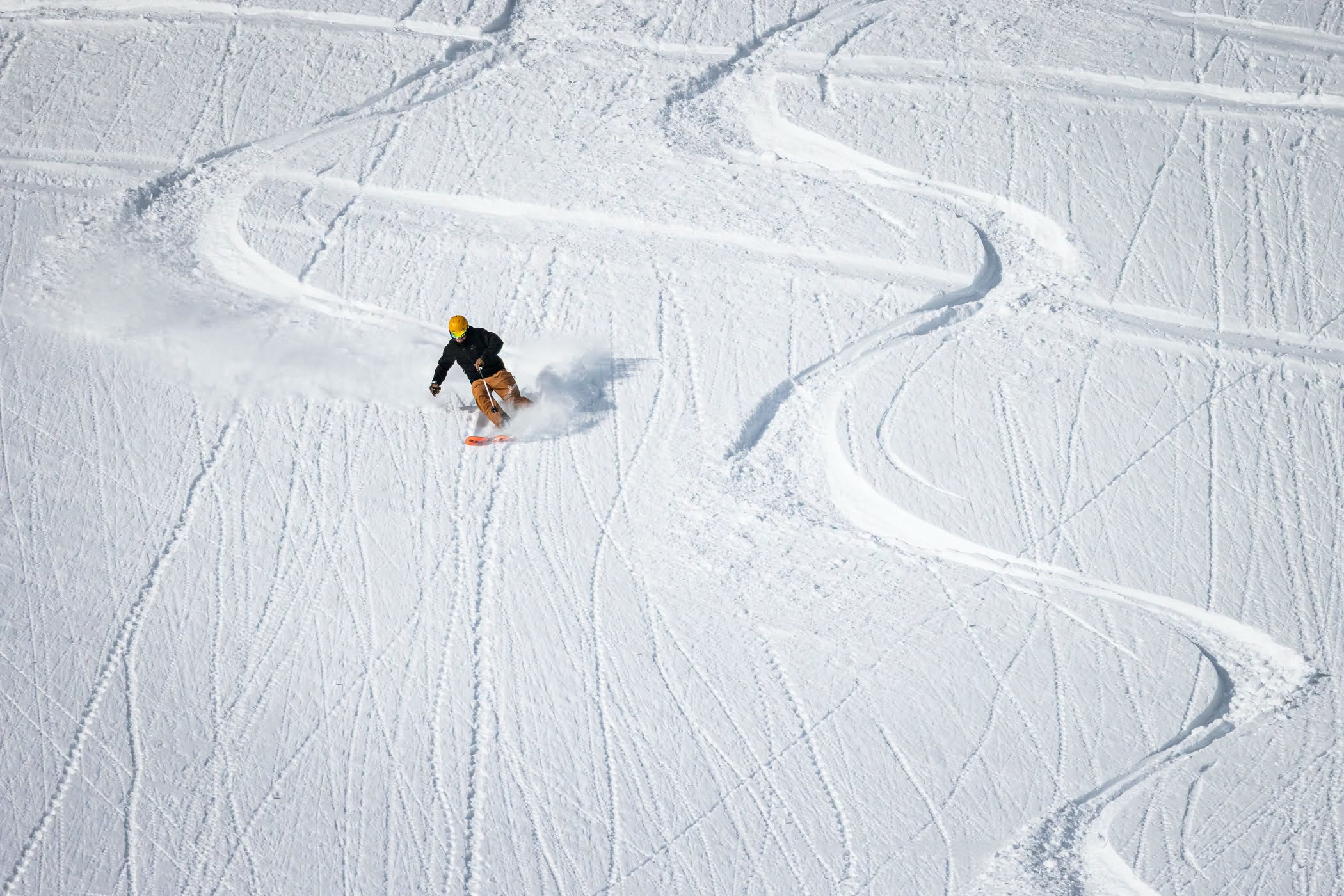
There is more snow on the way for parts of the western USA, with Mammoth Mountain expecting at 60cm, Jackson Hole is next with 47cm forecast, while Palisades Tahoe and Heavenly are both looking at 17cm. Further inland, Steamboat is forecast to receive 27cm, with Snowbird looking at 18cm.
The latest seasonal outlook from, The Grasshopper, also points to further snowfall across the northern and central Rockies, with Colorado expected to receive some welcome early-season accumulations. The Sierra Nevada and southern Rockies remain well positioned in the broader seasonal outlook.
Standout recent snow totals (November 15-19):
- Sugar Bowl, California: 168cm.
- Boreal, California: 165cm.
- Mt Rose, Nevada: 119cm.
- Snowbird, Utah: 64cm.
- Alta, Utah: 56cm.
Open: Mammoth Mountain, Kirkwood, Palisades Tahoe, Heavenly, Northstar, Sugar Bowl, Brighton, Solitude, Alta, Snowbird, Park City, Arapahoe Basin, Keystone, Loveland, Copper Mountain, Breckenridge and Winter Park, among others.
Opening soon: Aspen Mountain and Snowmass – November 26, with further openings across Colorado and the western states through late November and early December.
Canada – Whistler gets a welcome early-season dump at higher elevations
British Columbia and Alberta are beginning to see more consistent winter conditions, although the early-season picture remains mixed between the coastal mountains and the Rockies.
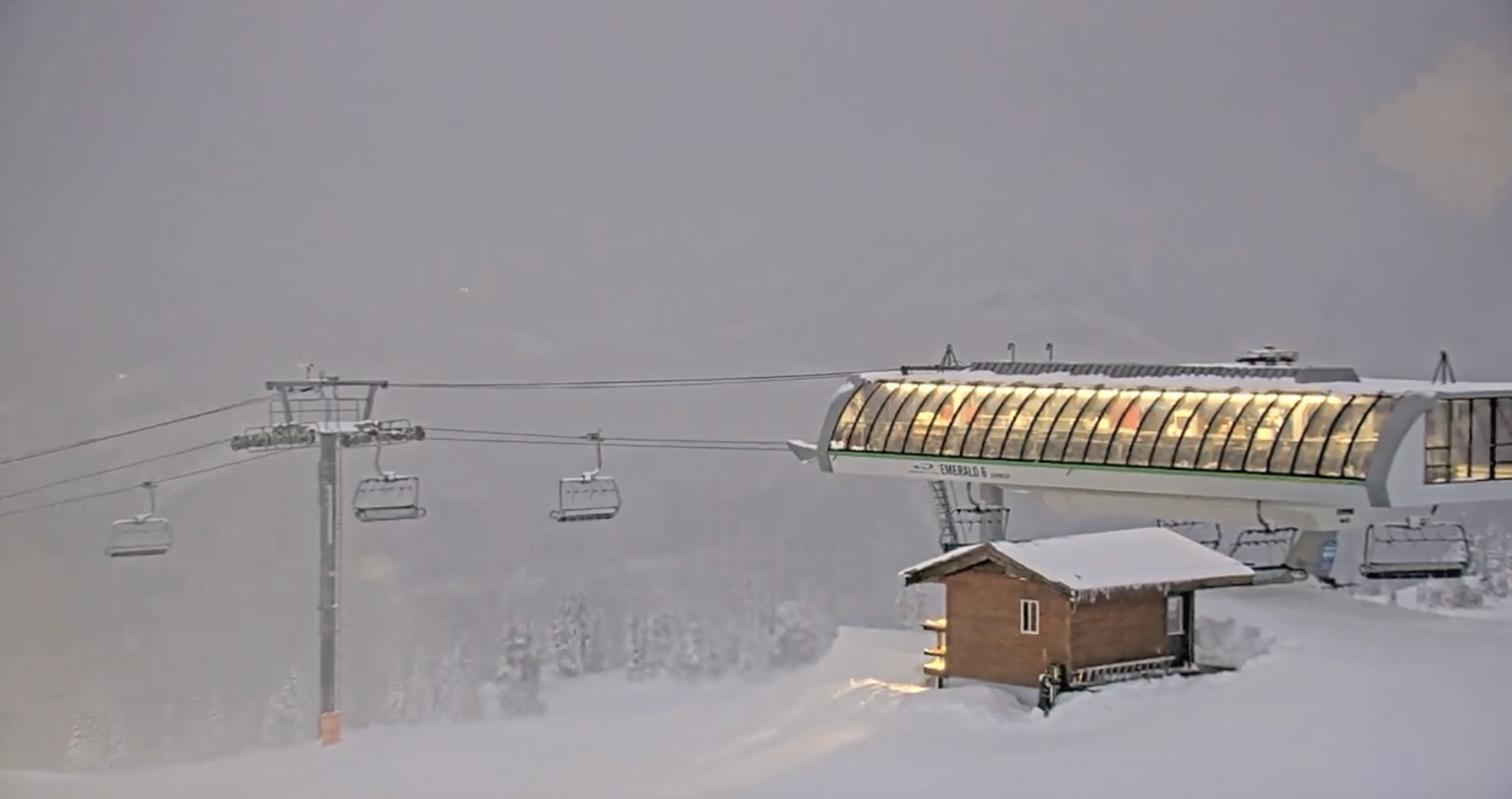
Whistler Blackcomb has been one of the big beneficiaries of recent snowfall. The resort recorded around 53cm (21 inches) over a 48-hour period in the November 25 snow report, taking its reported mid-mountain depth to approximately 89cm (35 inches). Blackcomb Mountain opened on November 20, with Whistler Mountain following on November 25, giving skiers access to more terrain across the resort. However, it has been raining at lower elevations
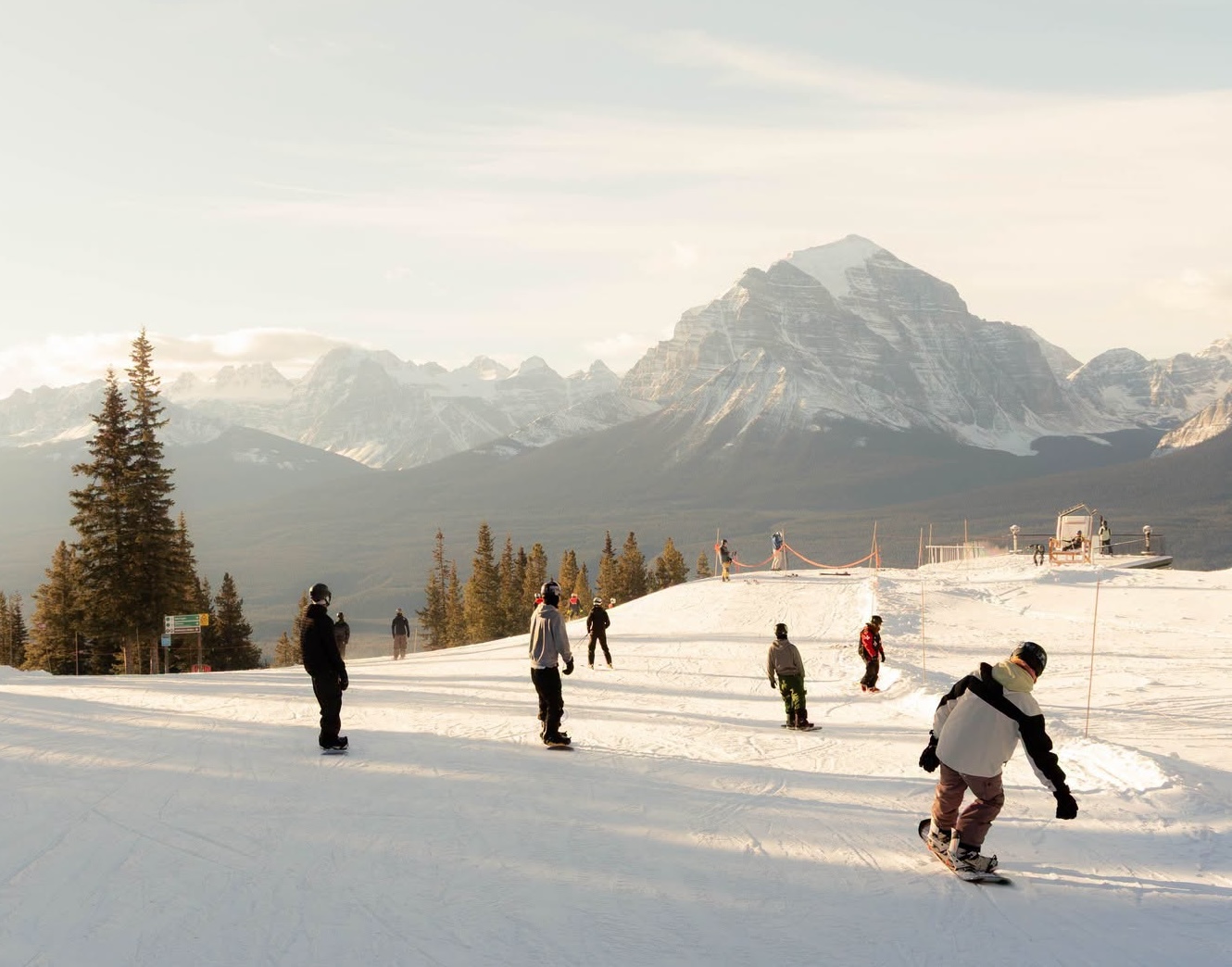
Further inland, conditions have been less consistent. Banff Sunshine and Lake Louise are already operating, having opened on November 7 and November 1 respectively. Both have been building their early-season terrain, although coverage remains limited in places. Lake Louise was reporting four lifts and six runs open in the November 24 update.
Other British Columbia resorts are preparing to follow. Sun Peaks is scheduled to open on November 26, while SilverStar is targeting November 27. However, Big White has had to postpone its planned November 26 opening until December 3, with only around 15cm of snow on the mountain and warmer temperatures delaying preparations.
British Columbia is looking particularly good in the coming week, with Whistler Blackcomb forecast to receive 76cm of fresh snow over the next seven days. Revelstoke is next with 22cm, while Big White is forecast to receive 19cm and Fernie 13cm. Further east, Banff Sunshine and Lake Louise are both looking at around 5cm.
Standout recent snow totals:
- Whistler Blackcomb: 53cm in 48 hours (November 25 report).
- Lake Louise: open with four lifts and six runs reported on November 24.
- Banff Sunshine: open with early-season terrain operating.
Open: Whistler Blackcomb, Lake Louise and Banff Sunshine.
Opening soon: Sun Peaks – November 26; SilverStar – November 27; Fernie, Revelstoke and Panorama – December 4-5; Big White – December 3.
Europe – The Alps start building a solid base
The European Alps are starting to look considerably more wintery, with several rounds of snowfall across the western and northern Alps delivering a welcome early-season base at higher elevations.
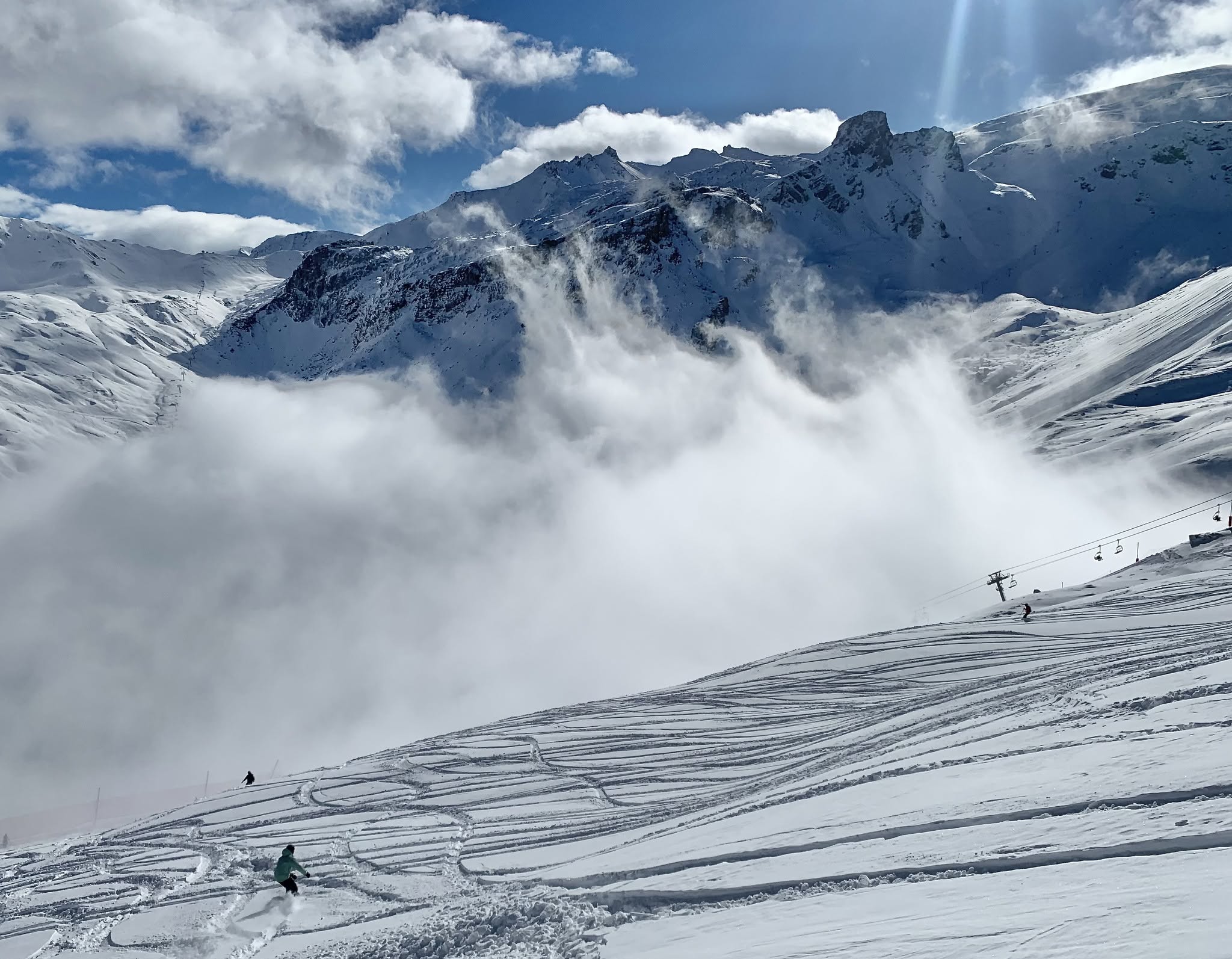
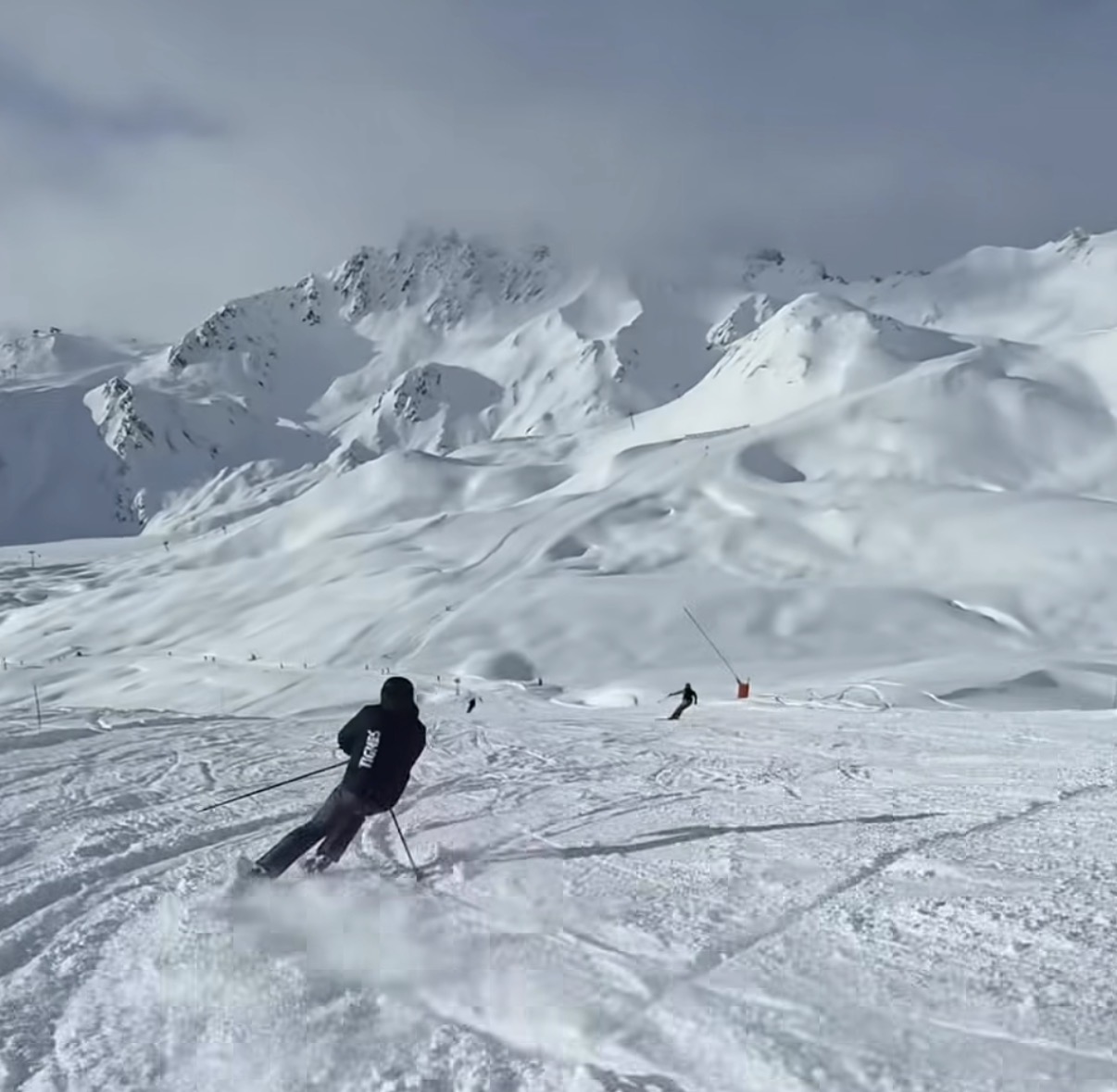
France has been one of the standout countries, particularly around the Tarentaise Valley. Tignes-Val d’Isère recorded approximately 115cm of fresh snow over the seven days to November 25. The area was reporting a snow depth of 123cm, with Les Trois Vallées also receiving around 80cm during the same period.
Val Thorens and Tignes have both opened, with substantial early-season coverage at altitude. Val Thorens was reporting 34cm of fresh snow over 72 hours on November 25, while Tignes recorded 26cm. The next wave of French openings is scheduled for November 28, including Val d’Isère, Chamonix, Les 2 Alpes and Montgenèvre.
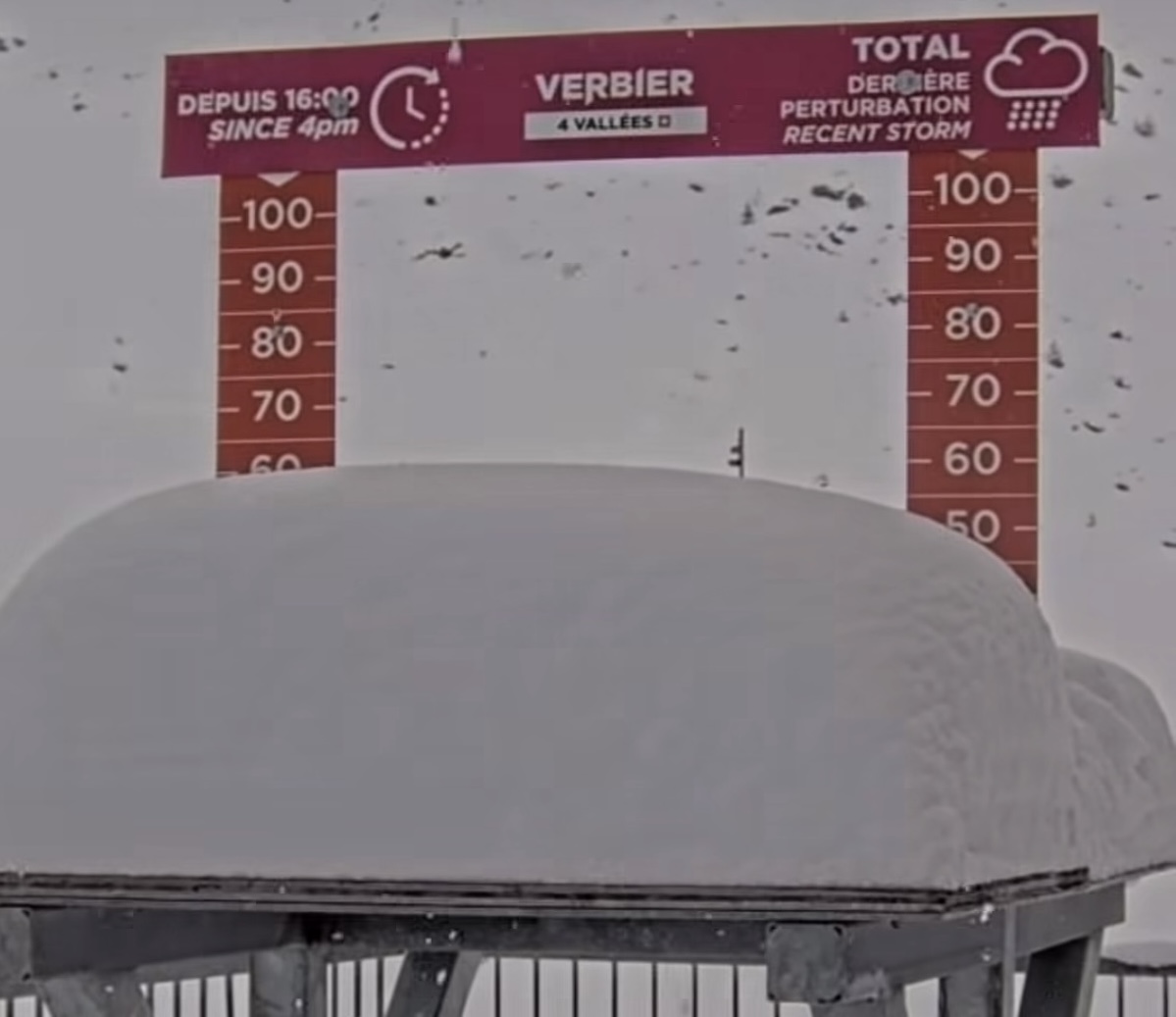
Switzerland has also received some useful early-season snowfall, particularly in the western Alps. Verbier, Zermatt, Saas-Fee and Engelberg are among the resorts already operating, with Verbier reporting a snow depth of 107cm at mid-mountain. Engelberg Titlis picked up 27cm over the preceding 72 hours, while Verbier received 20cm.
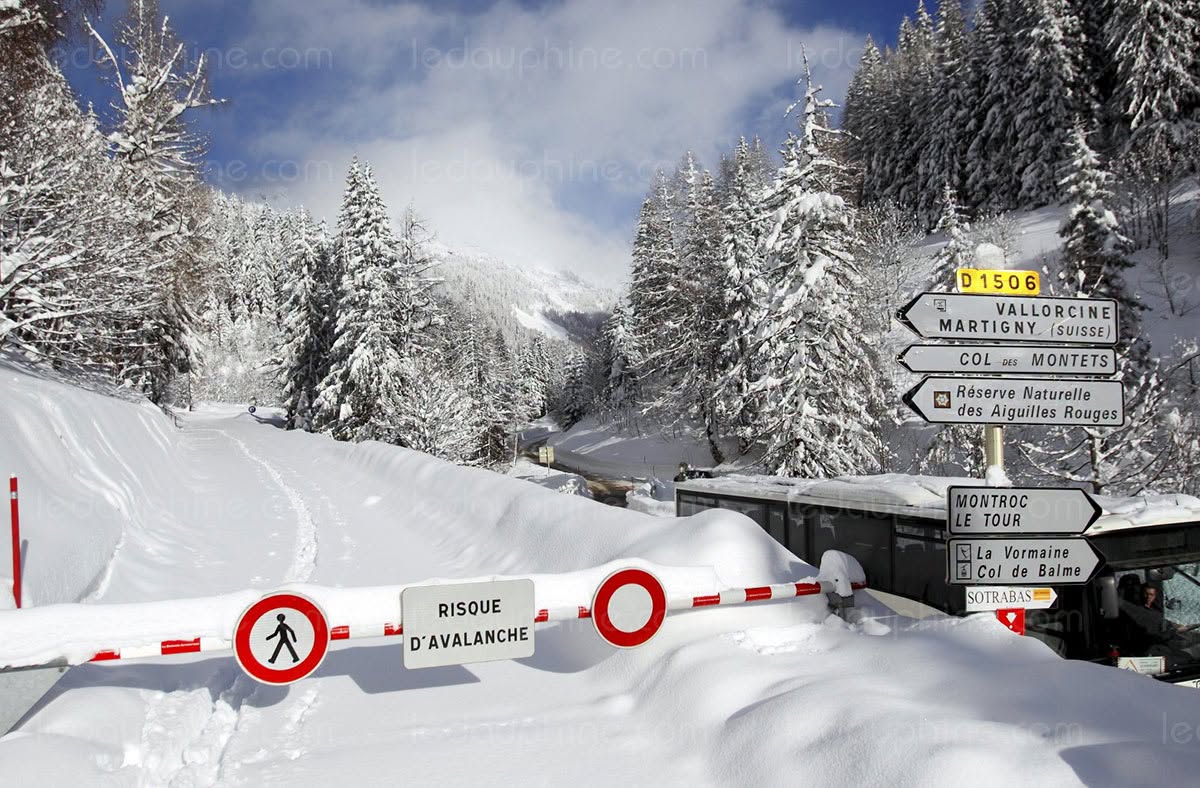
In Italy, Cervinia has received significant snowfall and is already operating, with around 22cm of fresh snow reported over 72 hours on November 25. Further east, several Dolomites resorts are still waiting for more natural snow, although higher-altitude areas are preparing to open.
Austria has a mixture of glacier skiing and early openings at higher-altitude resorts. Sölden, Hintertux and Stubai Glacier are operating, while Obergurgl has opened with around 70km of pistes available. Ischgl is scheduled to open on November 26, with several other major resorts following in early December.
Overall, the western Alps are in a much healthier position than the eastern and southern Alps, where more snowfall is needed to establish a reliable base at lower elevations. Nevertheless, with 23 European ski areas reporting open lifts on November 25, the 2026/27 season is beginning to gather momentum.
The European forecast is looking mainly fine with high pressure set to block any storms over the next week.
Standout recent snow totals:
- Tignes-Val d’Isère, France: 115cm in seven days.
- Les Trois Vallées, France: approximately 80cm in seven days.
- Engelberg Titlis, Switzerland: 27cm in 72 hours.
- Tignes, France: 26cm in 72 hours.
- Cervinia, Italy: 22cm in 72 hours.
- Verbier, Switzerland: 20cm in 72 hours.
Open: Val Thorens, Tignes, Cervinia, Zermatt, Saas-Fee, Verbier, Engelberg, Sölden, Hintertux, Stubai Glacier and Obergurgl, among others.
Opening soon: Ischgl – November 26; Val d’Isère, Chamonix, Les 2 Alpes and Montgenèvre – November 28; further Austrian and Italian resorts through early December.
Where We’d Like to Be This Week
Palisades Tahoe. The exchange rate may not be great but it is an awesome resort, one of the best in North America. With more terrain opening this week and more snow on the way, it is one of the best early season options world-wide.