Discovering Aizu in Winter – Snow, Culture and Samurai History
Sponsored content
Mountainwatch | Reggae Elliss
As the more well-known ski resorts and snow towns in Japan become more crowded with tourists and more westernised each year, many people are looking for alternatives, destinations where you can still find quality snow and experience authentic Japan.
I am one of those people and over the past few years I’ve had the opportunity to explore different areas and ski resorts that are off most tourists’ itinerary. This year I headed further north, jumping on the Tohoku Shinkansen for the region of Aizu, where I spent a few nights in the city of Aizu-Wakamatsu before a week at Hoshino Resorts NEKOMA Mountain.
A trip that turned out to be one of the best weeks I’ve had in Japan, the perfect combination of powder, culture, onsens and food. So good that I’ll be hosting a tour for Mountainwatch Travel to Aizu next February, a 10-day tour that includes five days based in Aizu and five days based in Minakami.
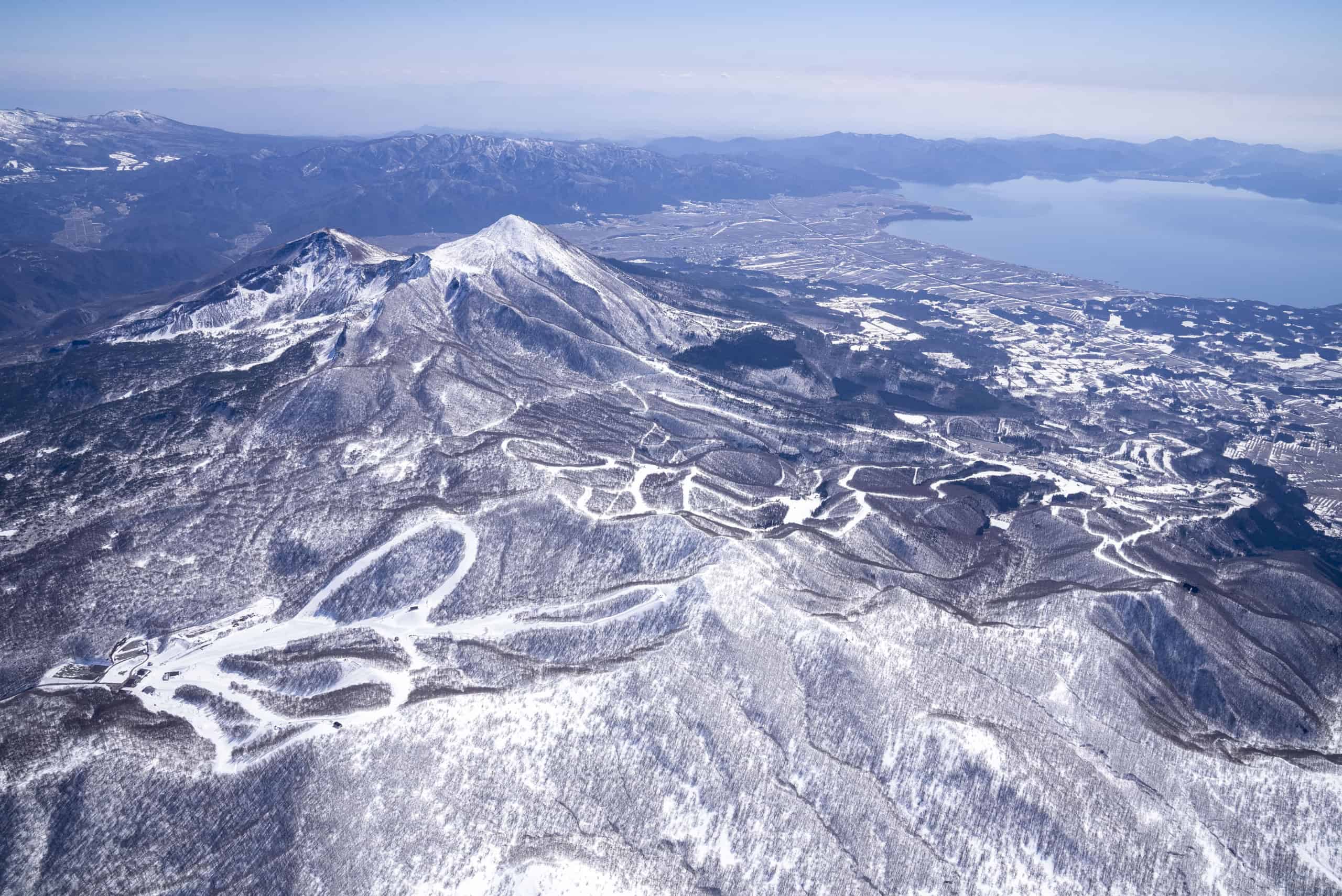
Located in Fukushima Prefecture, Aizu-Wakamatsu is known for its samurai history, snowy streets and local izakayas and warm hospitality and local culture. NEKOMA Mountain is an easy 30-minute drive from the city and is the amalgamation two former resorts that were on either side of Mt. Nekomadake, Nekoma Ski Resort on the northside and Alts Bandai on the southside. Hoshino Resorts, the current owner, united the two resorts with a chairlift in 2023, rebranding the one resort as NEKOMA Mountain.
Hoshino Resorts NEKOMA Mountain
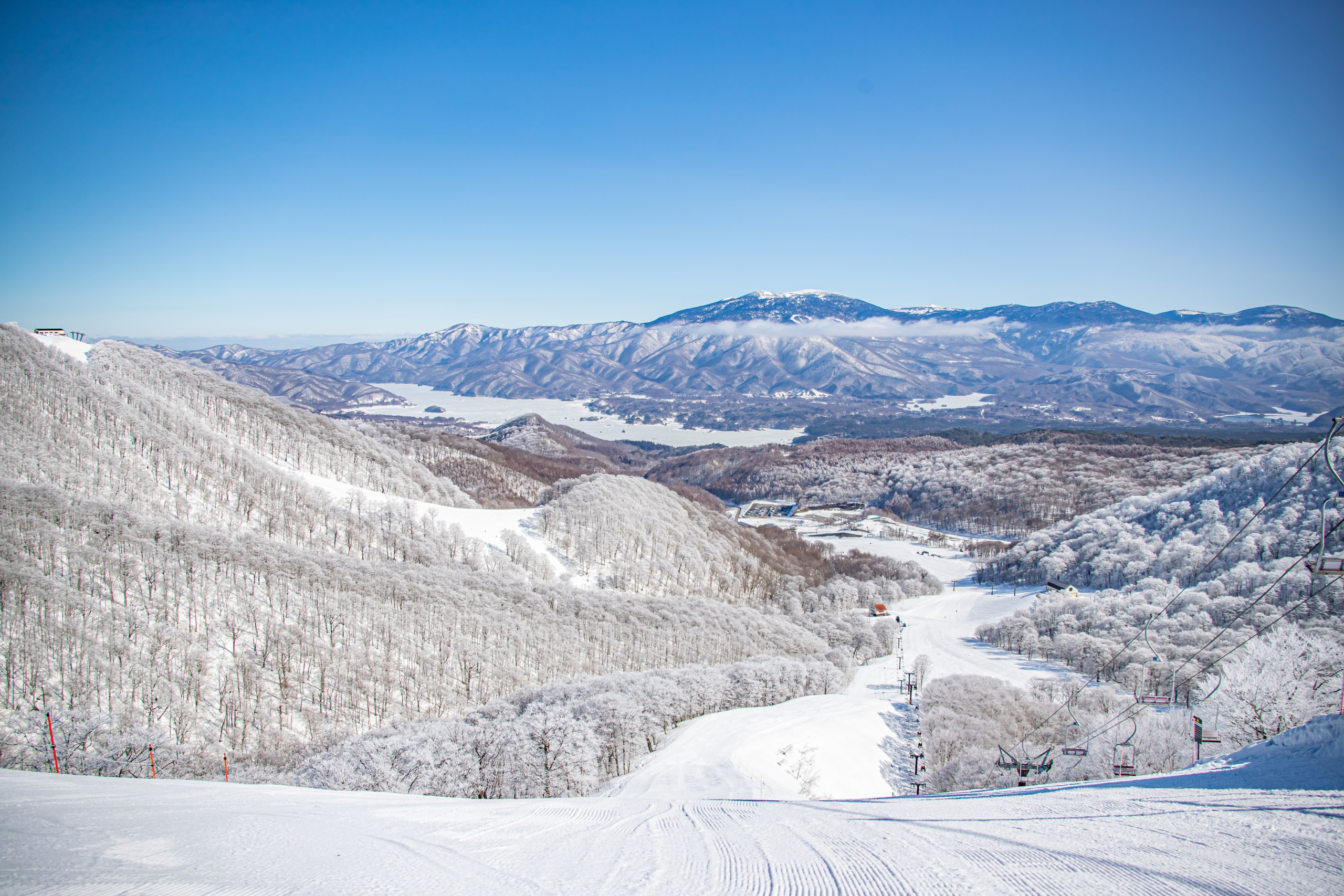
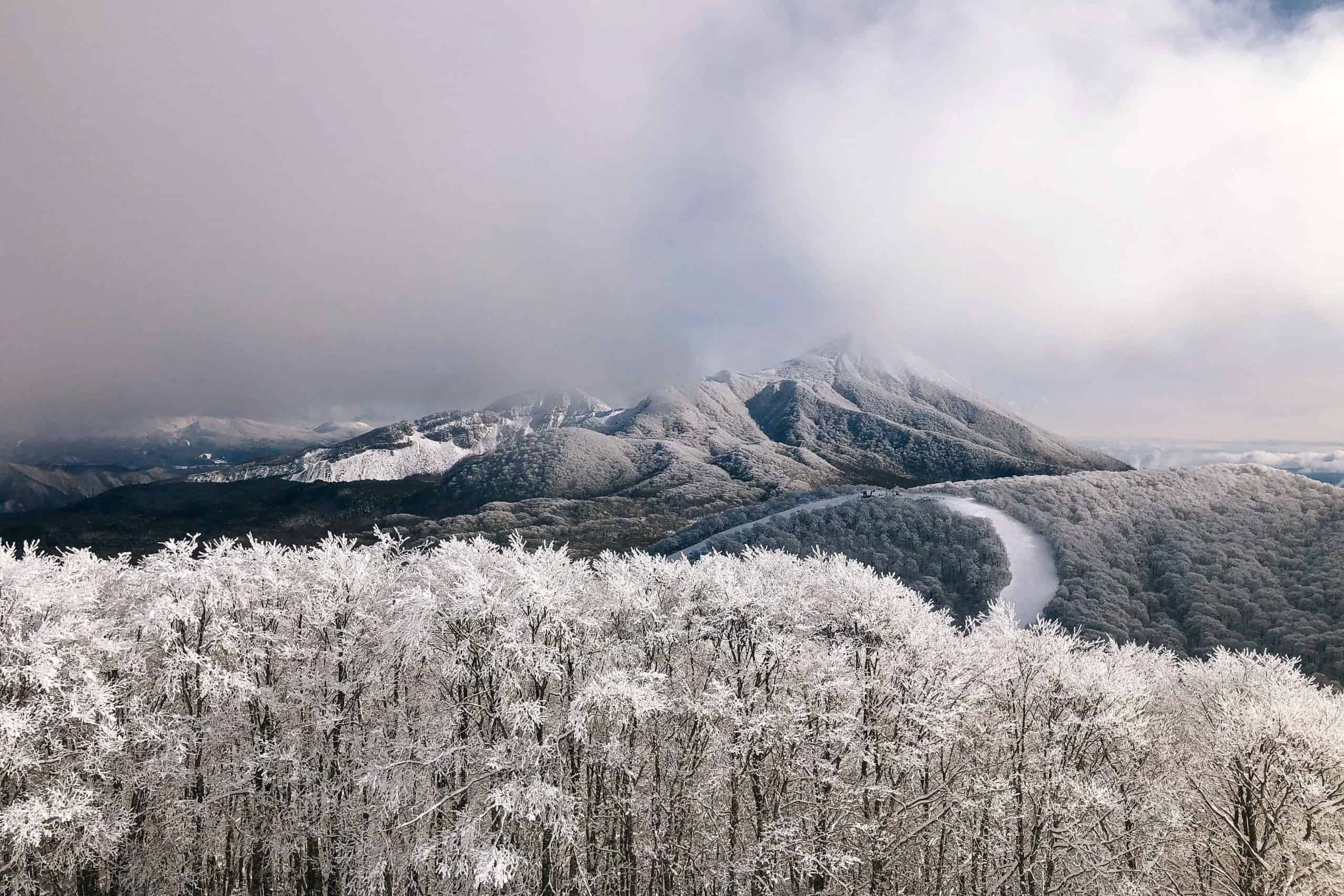
The two sides have distinct characteristics in both facilities and snow. The southside is more developed with more modern facilities including the ski-in ski-out Bandaisan Onsen Hotel by Hoshino Resorts , resort centre, rentals, retail and restaurants. It also has spectacular views of Mt Bandai and Lake Inawashiro.
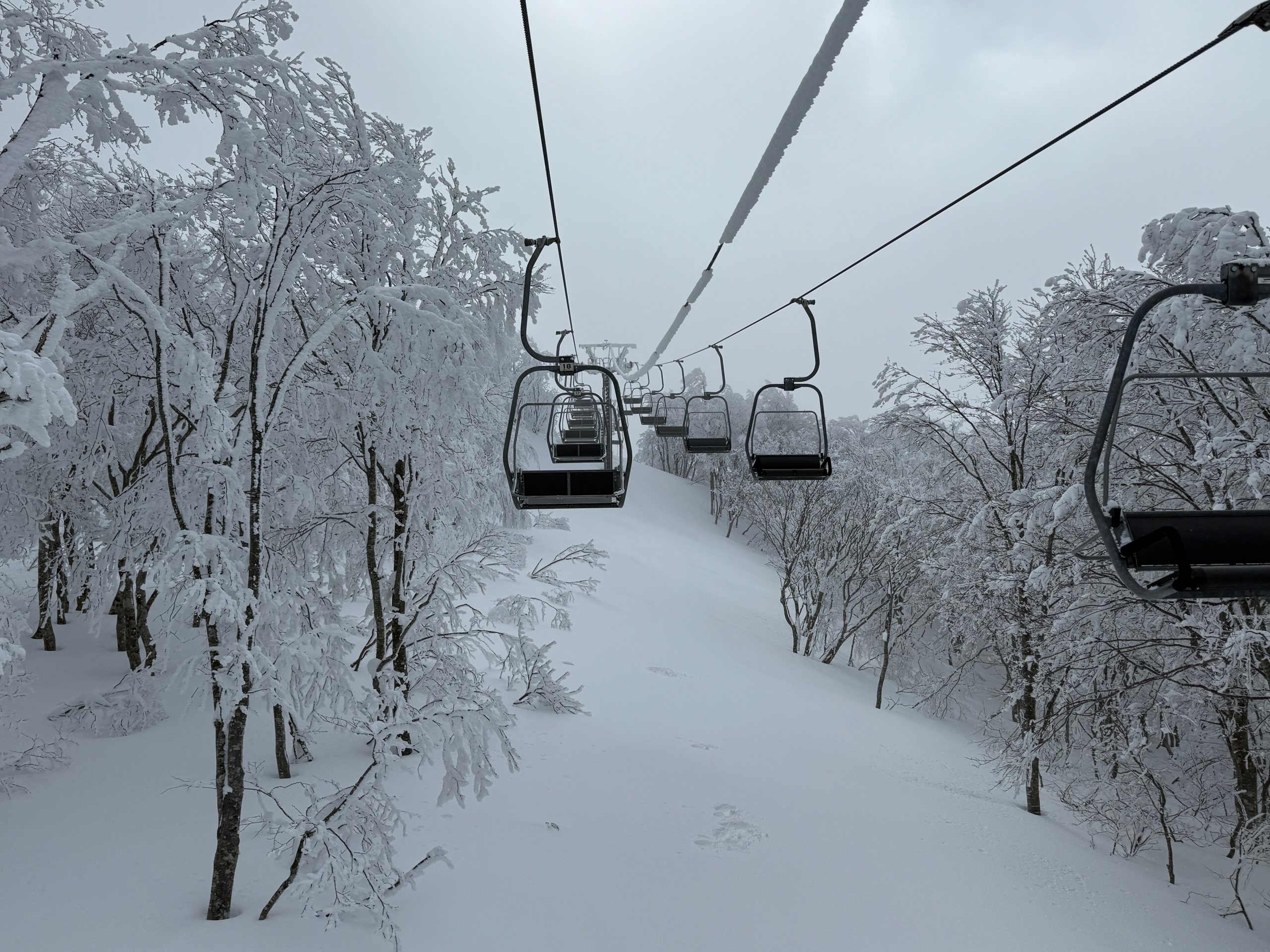
The northside is quieter and often has better snow quality due to its north-facing aspects and colder temperatures. A chair lift linking the two sides opened for the 2023 season, and you can feel the temp drop as you cross the top ridge line.
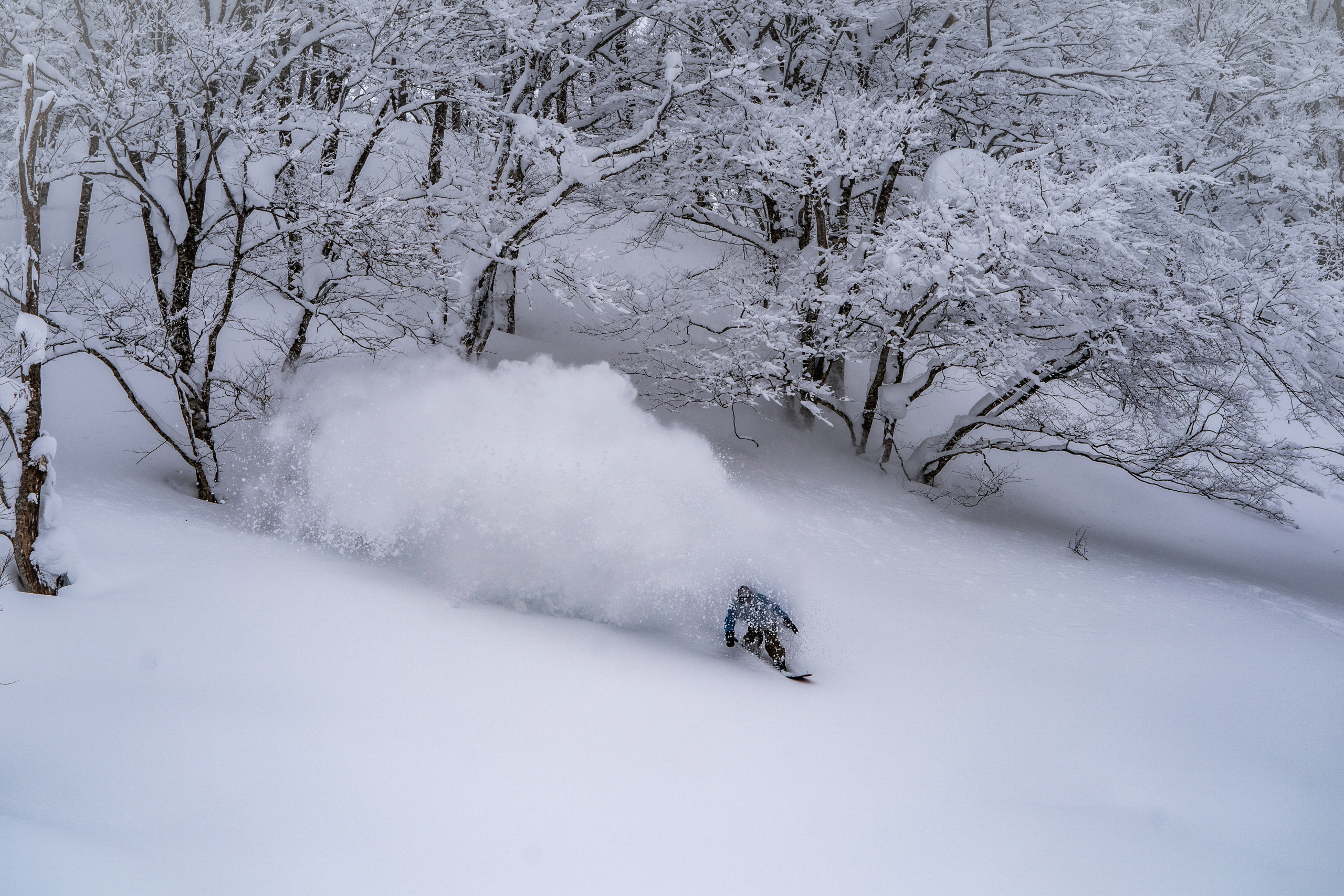
I arrived in the resort on a Sunday and while I didn’t see many westerners, it was quite busy with locals. The resort was also covered in a blanket of fresh snow, still snowing lightly as the tail end of a good storm that had dropped 70cms over the previous three days sent in consistent snow showers.
The snow showers added a light refresh to the cover with fun turns on and off piste, and the crowd thinned out in the afternoon. I was told the resort is very quiet mid-week and with another 10cms in the forecast I was in for a good week.

There are 13 lifts across both sides of the resort servicing 33 runs that range from beginners to advanced. Extensive grooming left the on piste runs in great shape each morning, including a couple of fun steep black runs on the south side with a pitch that needs to be groomed by winch-cat.
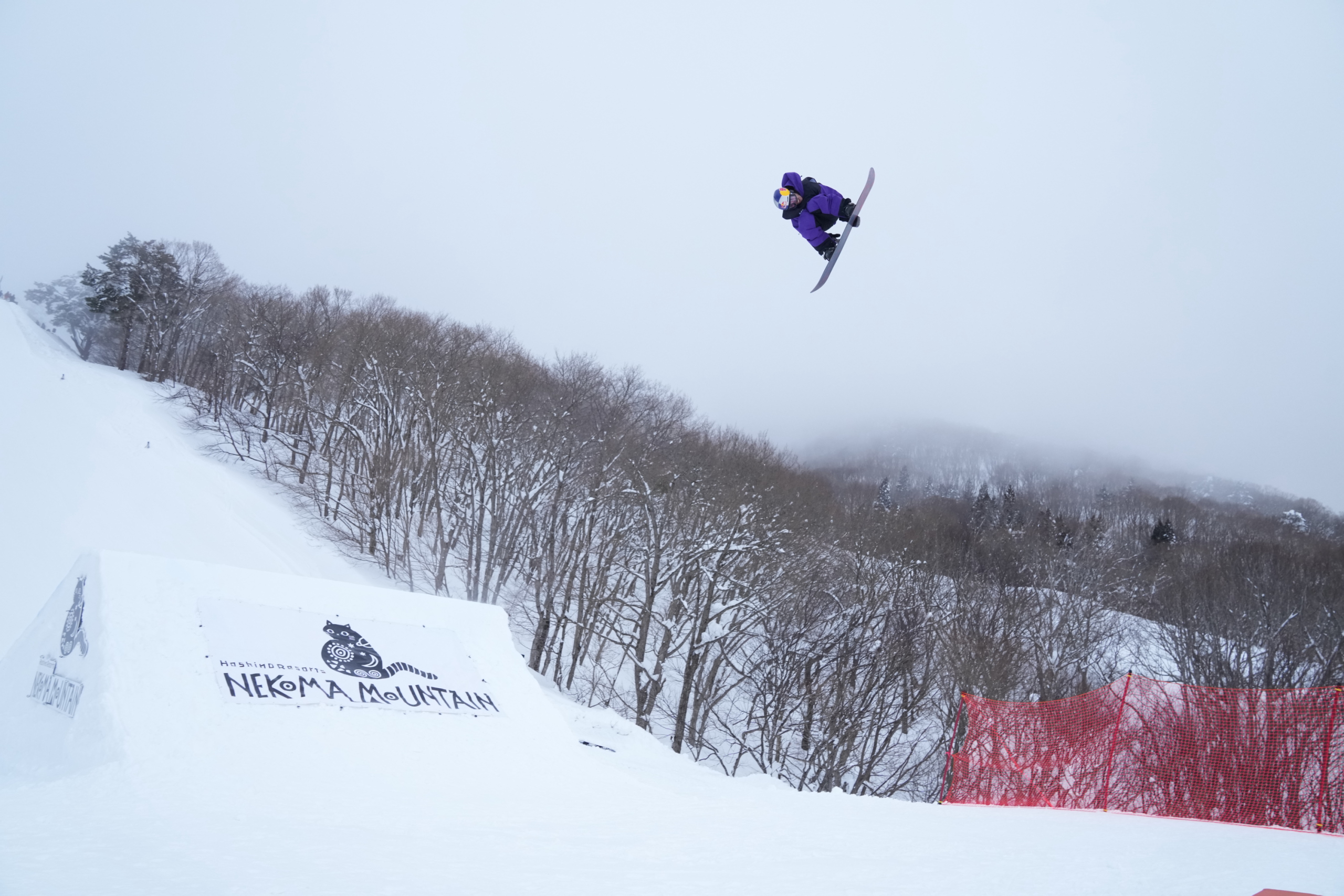
NEKOMA is also a hotspot for park riders, especially snowboarders, offering terrain parks that cater to all levels from beginner to advanced. Snowboarding is hugely popular in Japan, and many of the younger riders on the slopes are snowboarders—hardly surprising given the global success of Japan’s top talent. Among them is NEKOMA local and Olympian Hiroto Ogiwara, the first snowboarder to land a 2160, who has been riding and NEKOMA since he was just three years old.
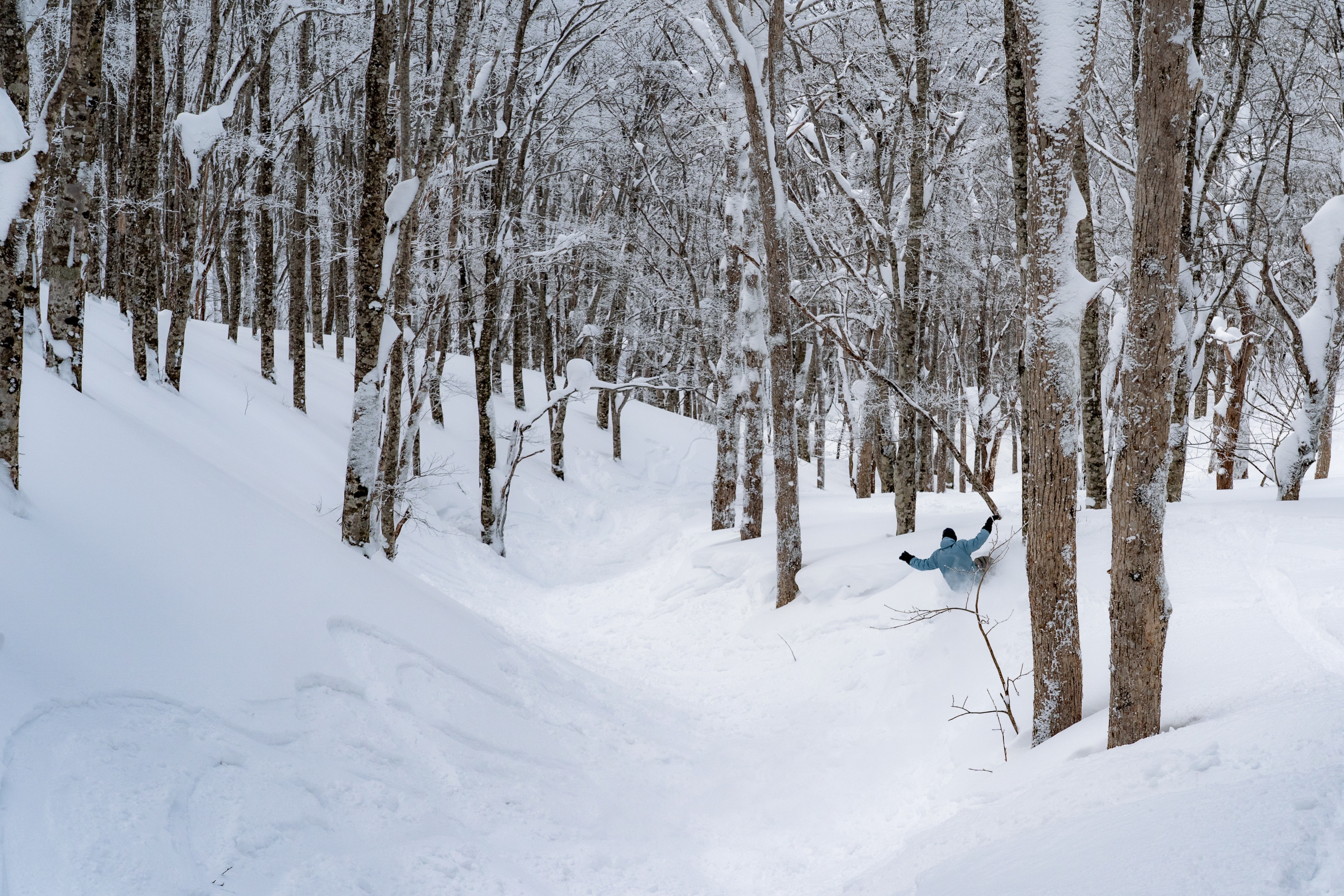
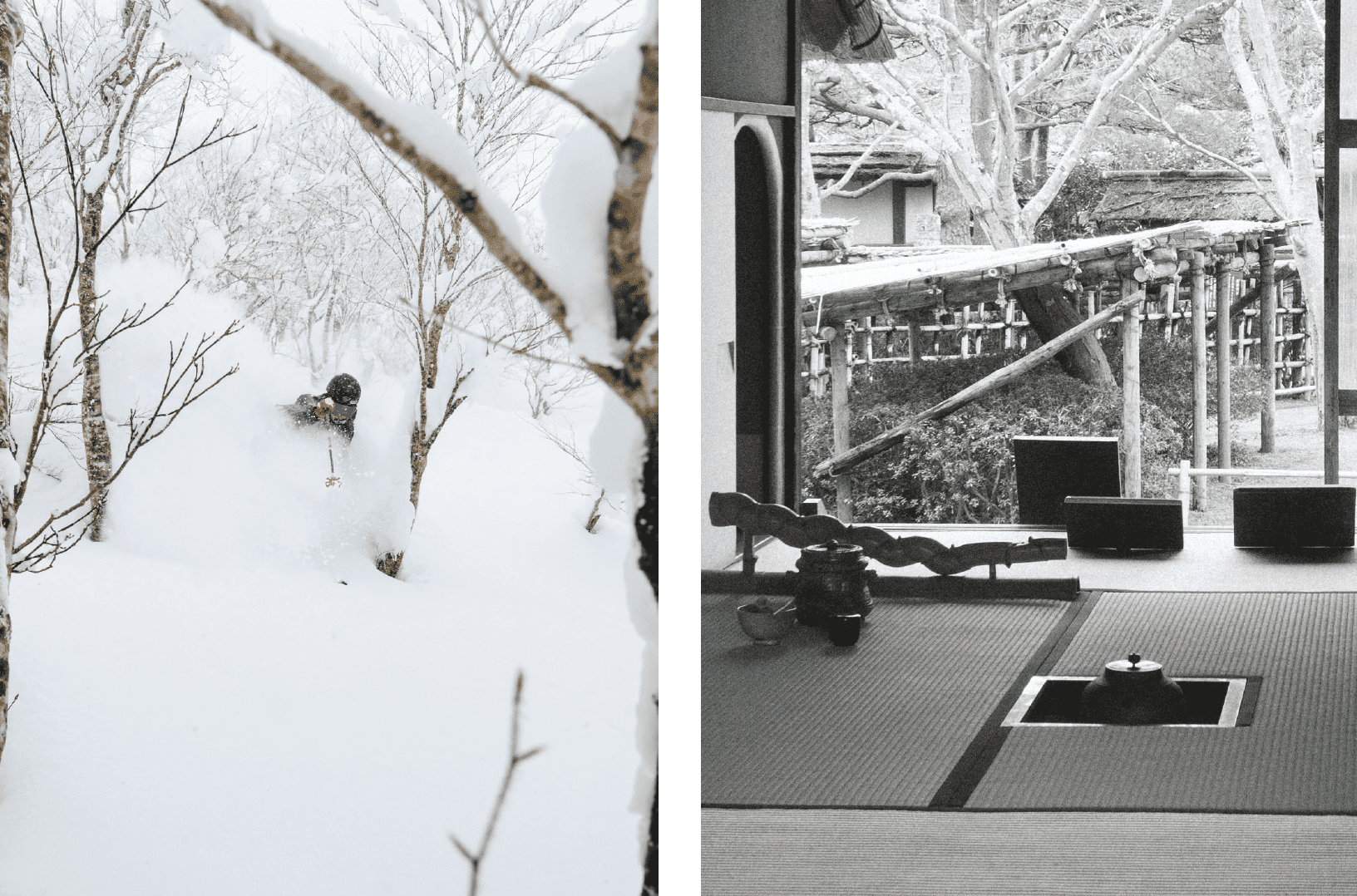
While embracing terrain parks and major events distinguishes NEKOMA from many Japanese resorts, another aspect is an open attitude to tree skiing with designated tree areas on the south side. Accessed from the aptly named Frozen Chair, there are three zones that have been gladed and brush-cut, creating open fall-line runs through the trees, some steeper than others. There are a myriad of different lines to choose from and lapping the chair mid-week after a 20cm top-up made for a great morning.
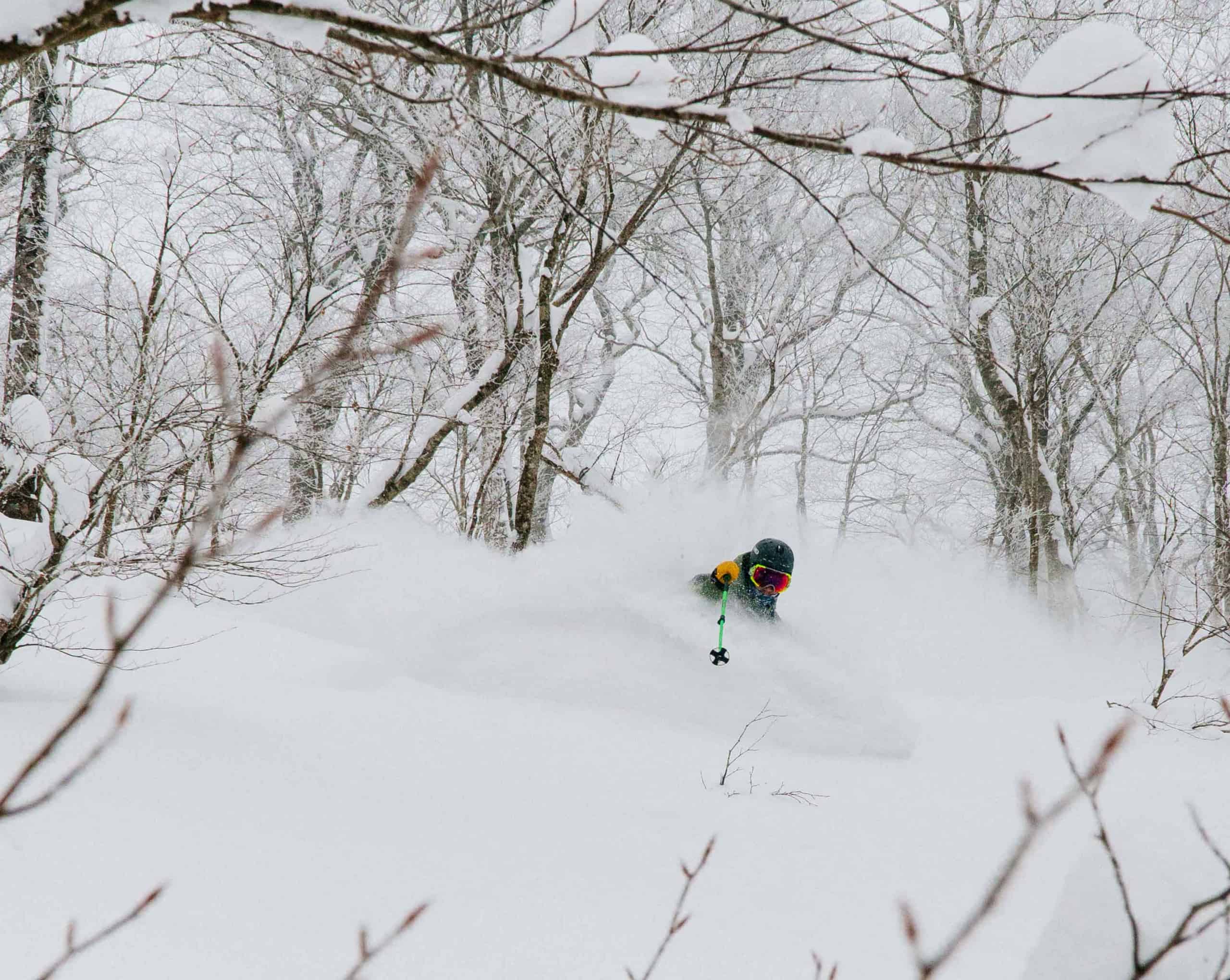
The resort’s south area mountain manager Tsubasa Kitagawa was showing me around that morning and took me into a couple of his favourite tree runs that required a short hike and were untracked and epic. Tsubasa has been at the resort for 15 years, and has worked pretty well every job on the mountain – lifty, cat driver, ski patrol, snowboard instructor – and knows the mountain better than anyone. He’s the kind of local who knows where the best snow is, days after the last snowfall.
“Mid-week powder days are my favorite,” he tells me. “My wife and kids love riding powder and we ride together on my days off. Nothing better powder with your family,” he said with a laugh..
By late morning Tsubasa was keen to show me the north side which has a good mix of groomed and off-piste options. Tsubasa calls that side the “snow side” and given the dry quality snow I can see why. There were a couple of milder sunny days towards the end of my stay when the snow on the southside turned a little spring-like and sticky by late morning. I’d then take the connect lift to the northside where the snow remained dry and cold all day.
Snow Cat Tour
The resort also offers a cat skiing experience on the south side on weekends and holidays. The terrain used to be lift accessed, so it is open and ungroomed with an intermediate to advance pitch. There are two rides offered at 9am and 10am day and a separate ticket is required at 2000/yen per person and groups are limited to 6 people, $20 for a long open run of untracked powder? Bargain and a lot of fun.
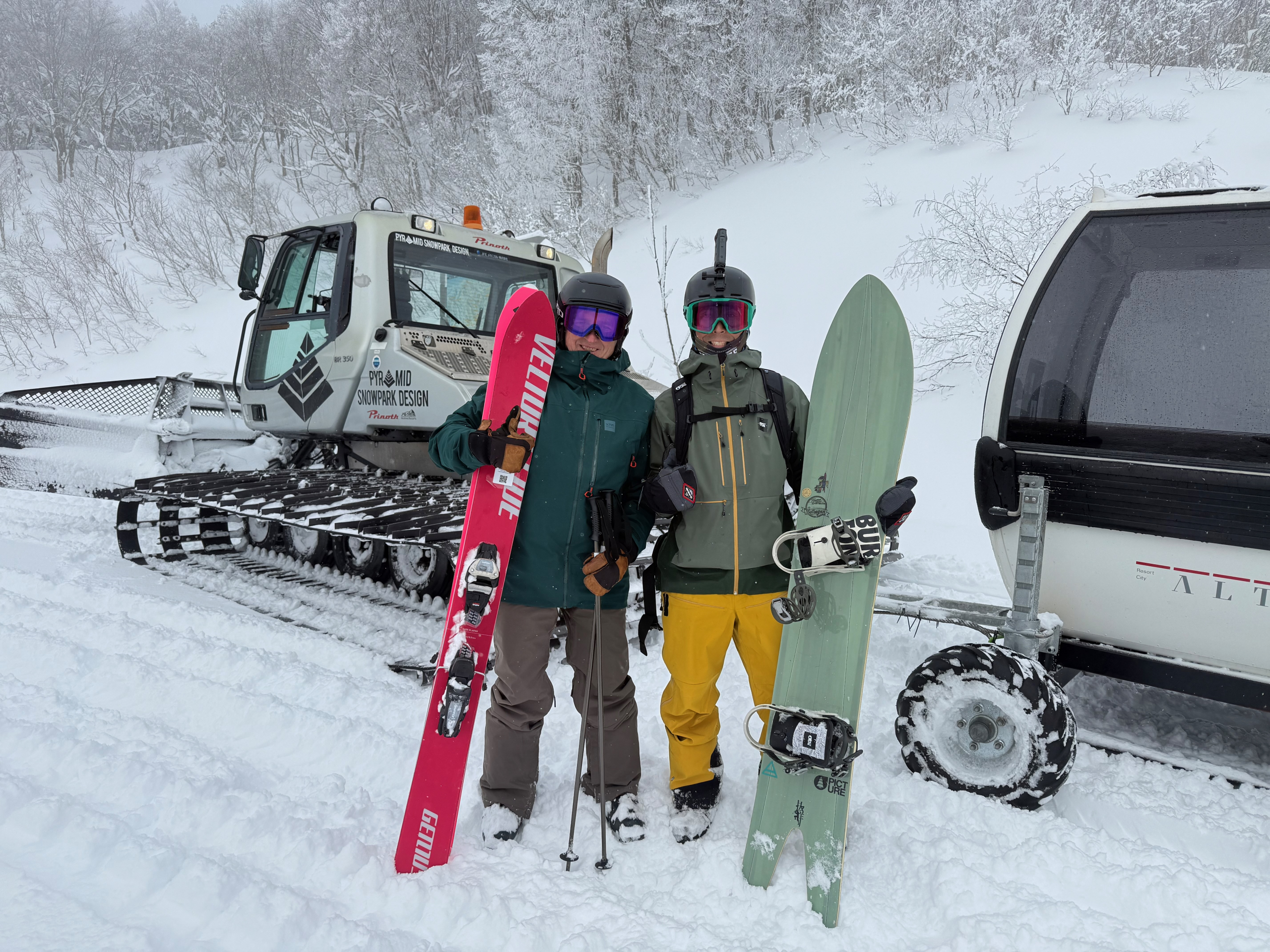
If you need powder skis or snowboard the resorts has a partnership with Japan brand, Vector Glide , with a choice of options available from the demo centre in the Resort Centre. I skied the Polarve which at 107mm under foot was a good all-r0under and perfect for the conditions I had that week – great in powder and also for big turns on the corduroy. However, the morning I went on the cat tour I chose the Genius which Vector Glide dub “the ultimate powder weapon”. And it is, a big ski at 130mm under boot, rocker, and pintail shape a heap of fun in 40cms of fresh snow – light, maneuverable and floaty.
On Snow Accommodation
The ski-in/ski-out Bandaisan Onsen Hotel is located on the southside and the perfect place to stay. It is just a few metres from the base area, linked to the resort centre and with a pool and onsen and friendly staff who are always happy to help. The hotel has large, western style rooms, easy access ski/board storage and drying room, restaurant, chill out area and a dedicated waxing room.

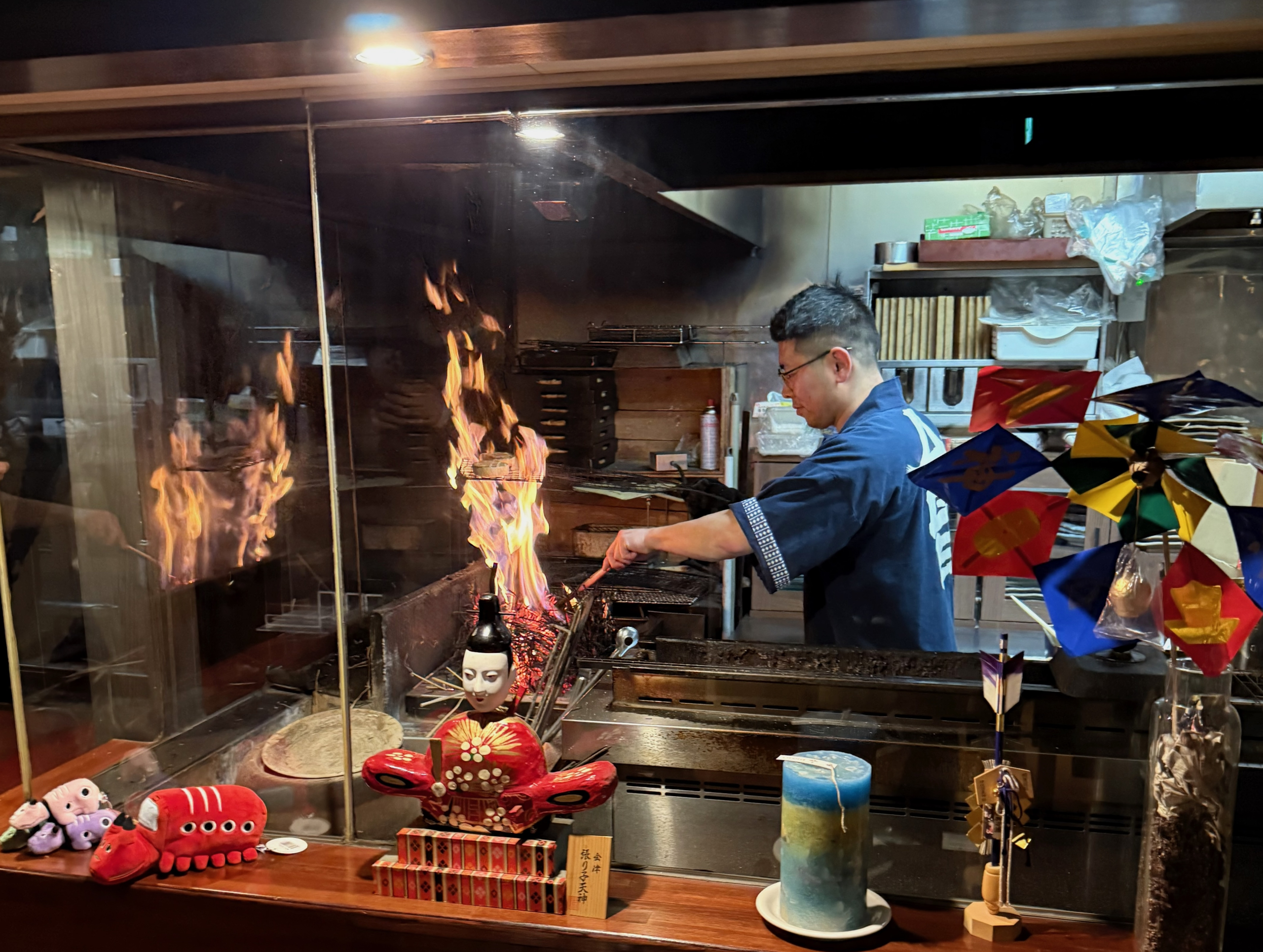
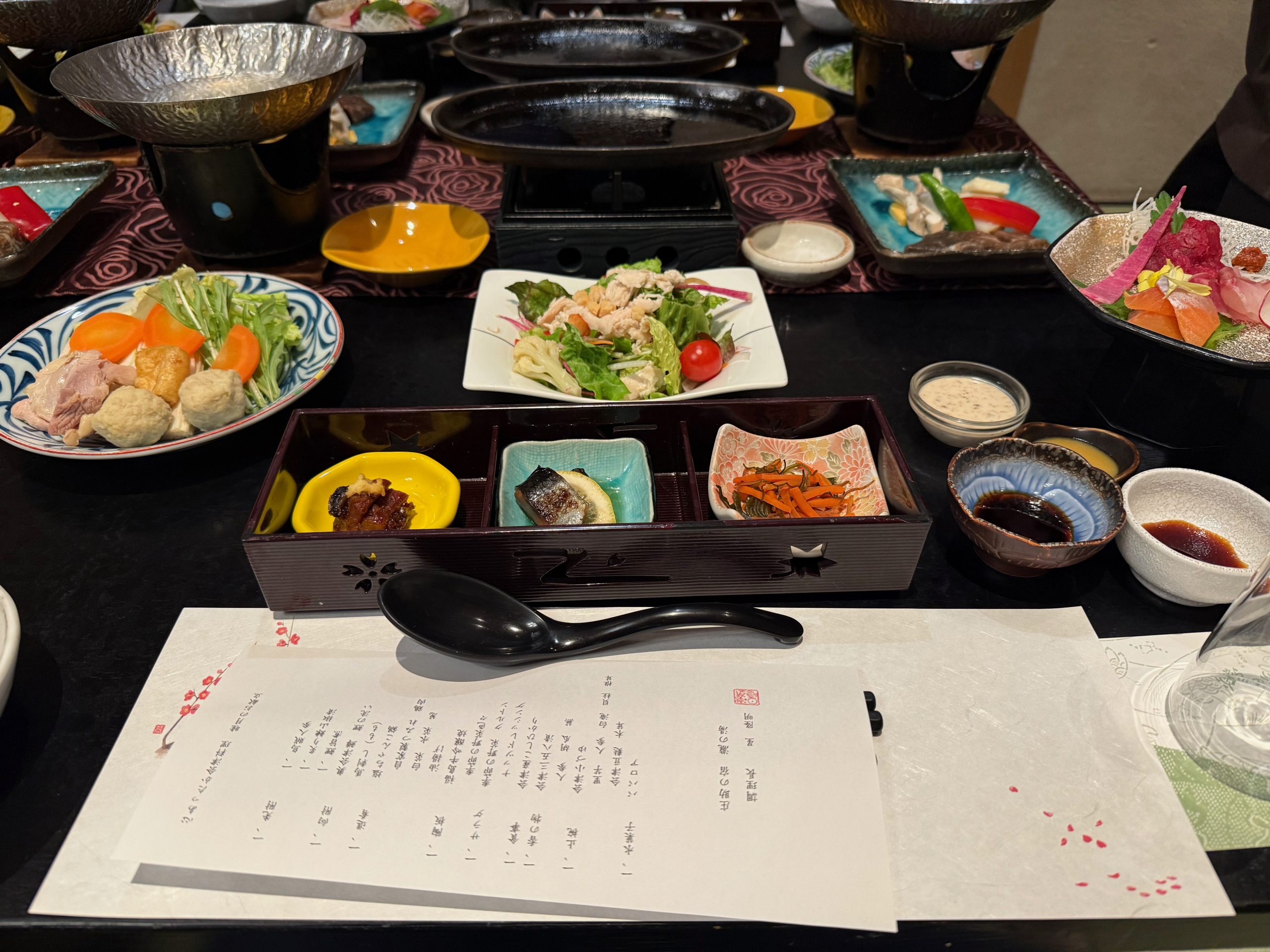
A highlight is the traditional drumming and dancing experience hosted by hotel and resort staff each night. The banquet dinner is included, and the hotel also offers a special izakaya (local/pub restaurant) experience ‘Izakaya GO’ where guests can swap out a hotel dinner for a free shuttle to near-by Aizu-Wakamatsu city to try one of several local izakaya. You can enjoy local specialties and sake while experiencing Aizu culture in unique setting. It is a great way to mix-up the week and while the course meal is at no charge, you do have to pay for drinks.
How to get to NEKOMA Mountain
To get to NEKOMA Mountain, catch the Tohoku Shinkansen to Koriyama Station. From there take the shuttle bus straight to the resort. For more information head to en.nekoma.co.jp/access/
Or if you prefer to continue but train, switch to the local line for Aizu Wakamatsu Station:
https://samurai-city.jp/access/en/

Aizu-Wakamatsu – An authentic town steeped in history
While staying on mountain is awesome for easy and quick access to the snow, especially on powder days, staying in town is a great option. There is a big variety of accommodation from which to choose and you can also enjoy good food and nightlife. With regular local buses running to the resorts, you can still be on the slopes quickly every morning.
Skiing is only one aspect of what makes Aizu-Wakamatsu a great winter destination. What truly sets it apart is the town’s character— shaped by its samurai heritage, kept alive through traditional crafts, and shared in a way that feels welcoming and easy to connect with.
For those staying on-mountain, Aizu-Wakamatsu is close by and offers a wide choice of off snow experiences and attractions. While there are several ski resorts within easy access, Aizu is not a resort town and an opportunity to get a feel for daily life in regional Japan.
I recommend a few days in Aizu Wakamatsu, a very authentic town, full of history, traditions, and old-world charm and friendly, welcoming locals. I enjoyed my time there, and there is plenty to see and do:
Double-Helix Sazaedo Temple
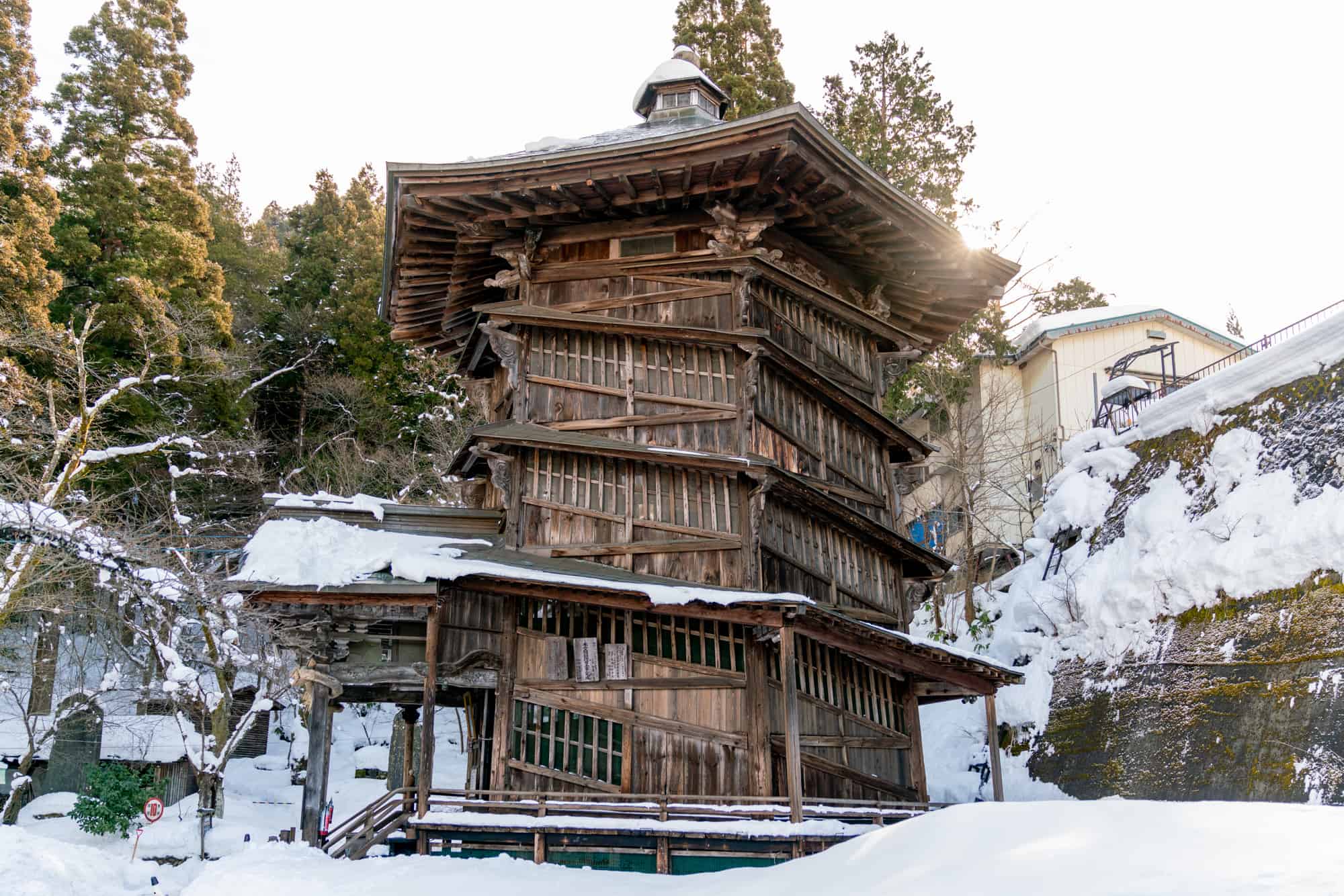
Located on Mt Iimoriyama on the outskirts of the city, built in 1796, Sazaedo is a unique wooden Buddhist temple in Japan featuring a double-helix staircase. Visitors ascend and descend separate paths without crossing. It is the only double-helkix staircase the only one remaining in Japan and is listed as Important Cultural Property in Japan.
Mt Iimoriyama is also the site of the graves of 19 Byakkotai; a group of teenage samurai. Loyal to the Aizu Shogun during the 1868 civil war – the Boshin War – they retreated during a battle and saw the castle town burning. Thinking that the castle had already fallen, it is said they committed ritual suicide, but in reality, the castle still stood and the war was not yet lost.
Tsuruga Castle
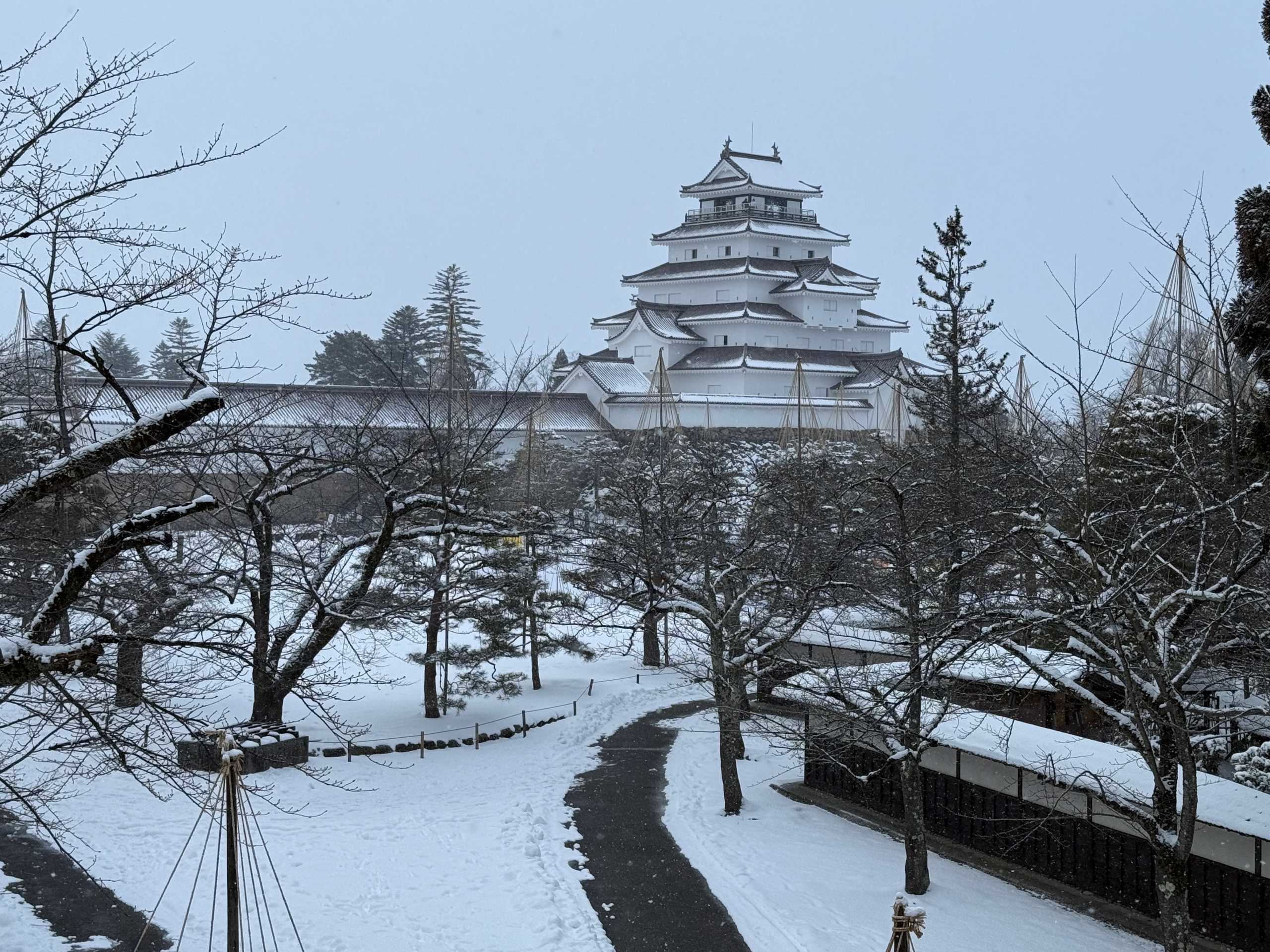
Tsuruga Castle, also known as Wakamatsu Castle, is a historic fortress famous for its red roof tiles. A key site of the Boshin War, the reknowned castle withstood a month of fierce fighting. It now houses a museum showcasing Aizu samurai and regional history. Originally built in 1384, the main castle has had a reconstruction over the years, the most recent in 1965, but the surrounding park’s stone walls remain in their original state.
Samurai Sword training – Kengido Experience
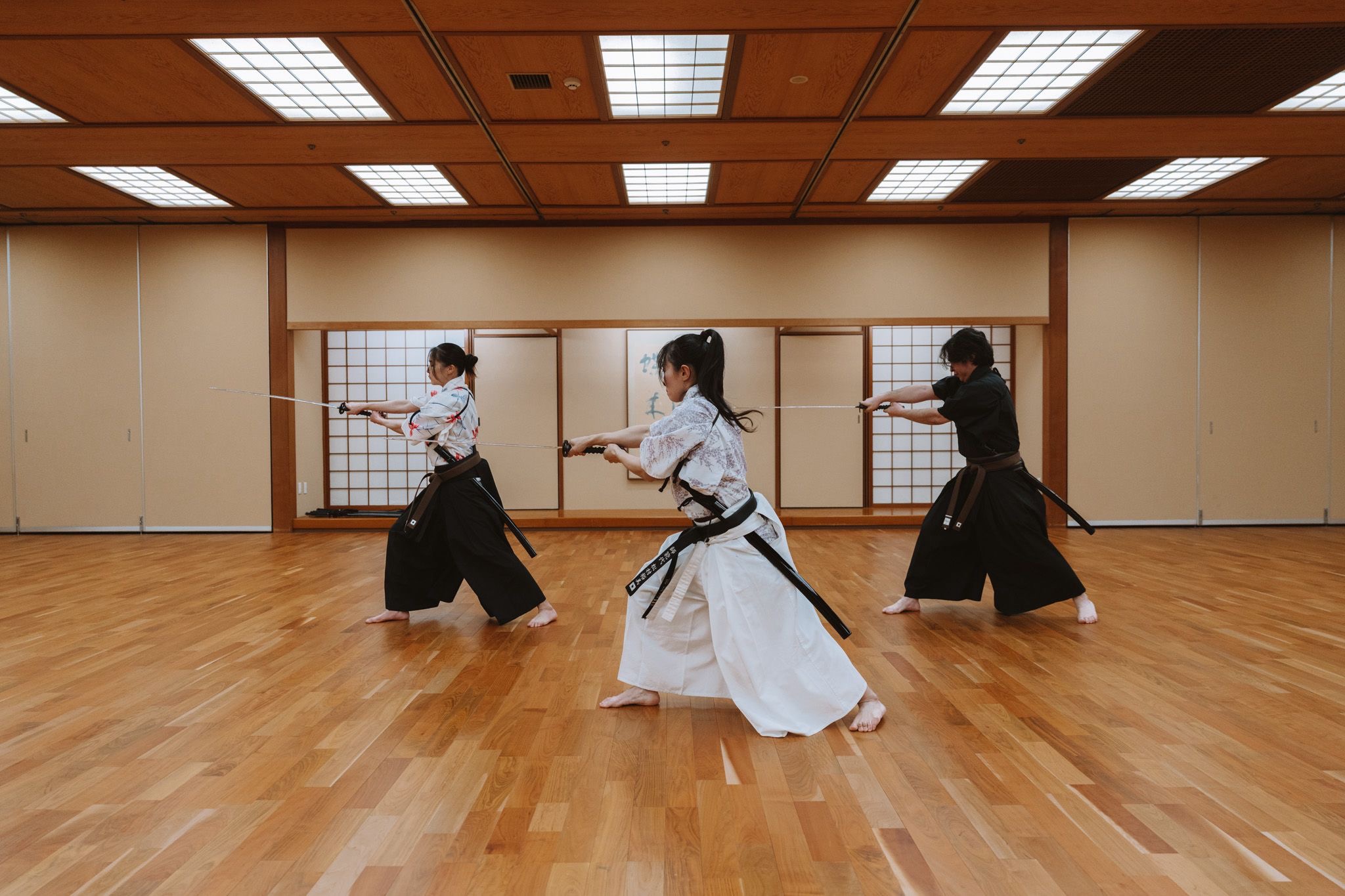
OK, this was something different, hands-on Samurai sword training with Kengido experience, a team KAMUI who choreographs sword fight scenes for performances and films, including Kill Bill. We were dressed in traditional samurai, instructed in samurai sword etiquette, and practiced movements inspired by martial arts once used by Aizu warriors.
Visit Ouchi-juku
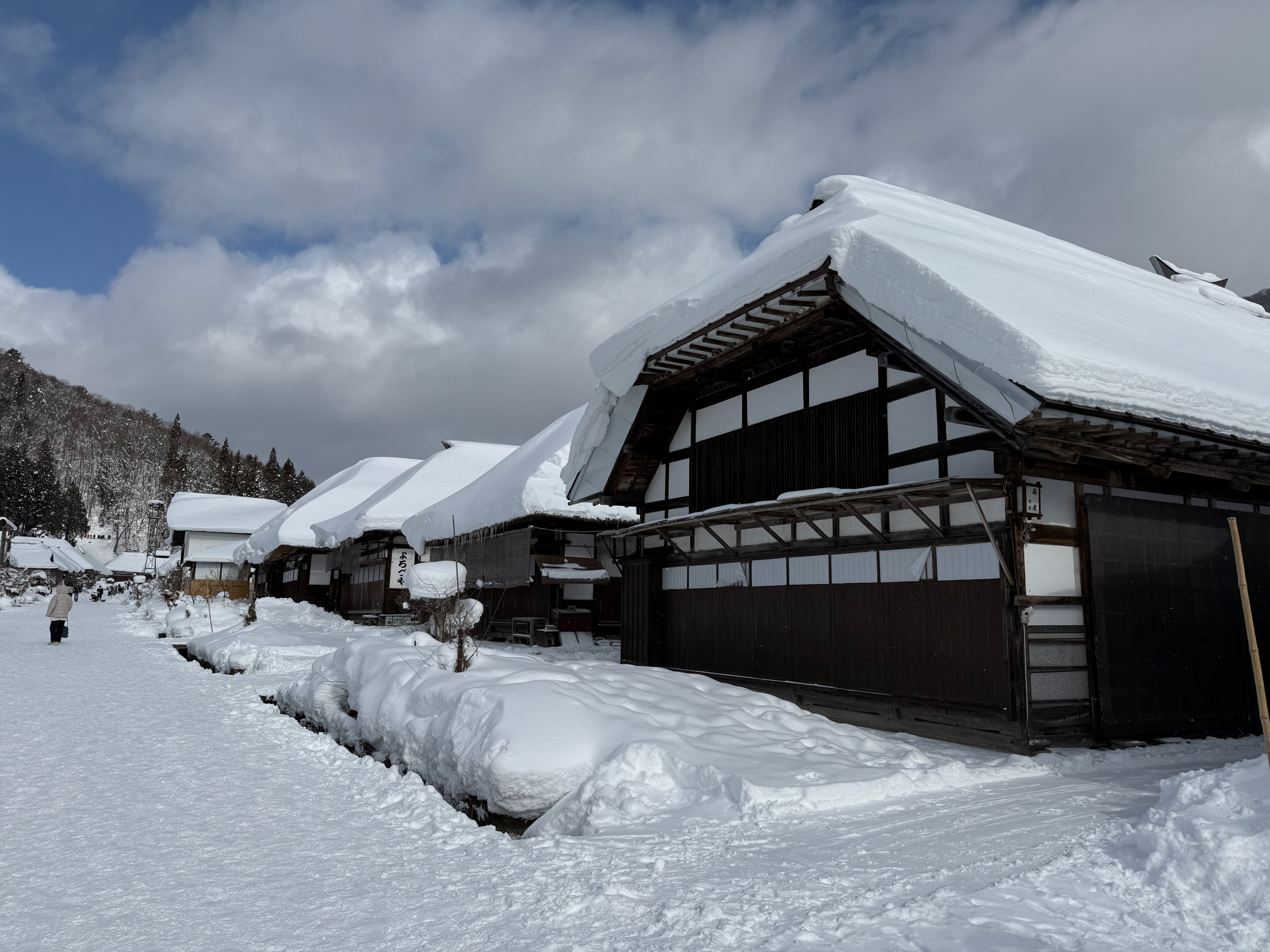
Around a 40-minute drive from Aizu-Wakamatsu, Ouchi-juku is a preserved Edo-period village with thatched roof houses lining a historic road. Once a stop for travelers, it now offers traditional foods, crafts, and scenic mountain views.
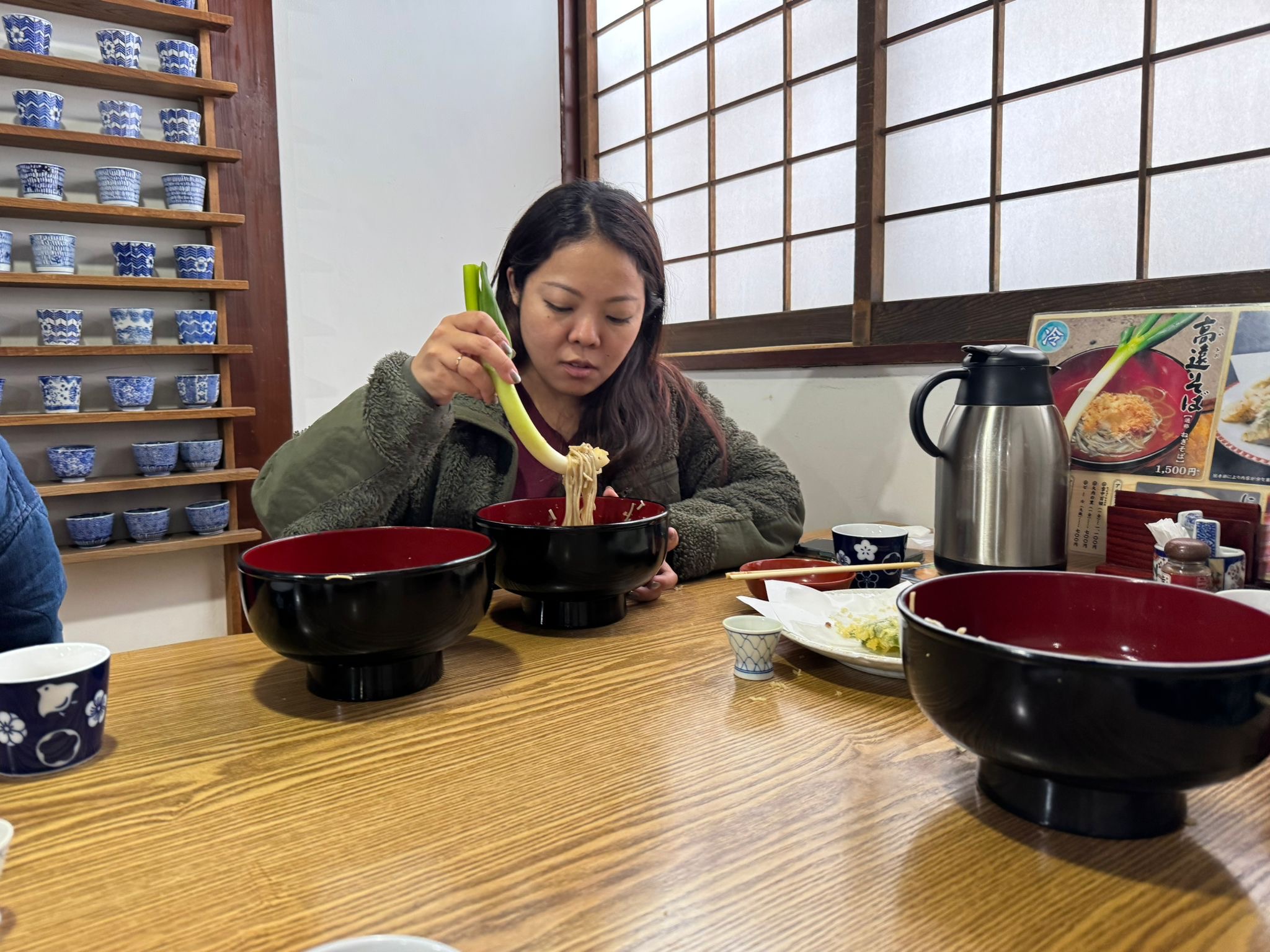
When there you need to try Negi Soba is a unique Aizu specialty, buckwheat soba noodles served cold and eaten using a long green onion/leek instead of chopsticks. Happy to say it is easier than it looks.
Aizu Lacquerware (Maki-e Workshop)
Aizu Lacquerware is a centuries old craft known for glossy finishes and gold decoration you’ll see it everywhere – bowls, trays, chopsticks, decorative pieces. In a Maki-e is a traditional technique and there are workshops in Aizu where visitors sprinkle gold powder onto lacquer to create elegant traditional designs under the direction of a true artisan at Suzutake Laquerware studio. This isn’t mass-produced souvenir stuff; it’s the real deal, made the same way it has been done for over 400 years.
Paint your own Akabeko
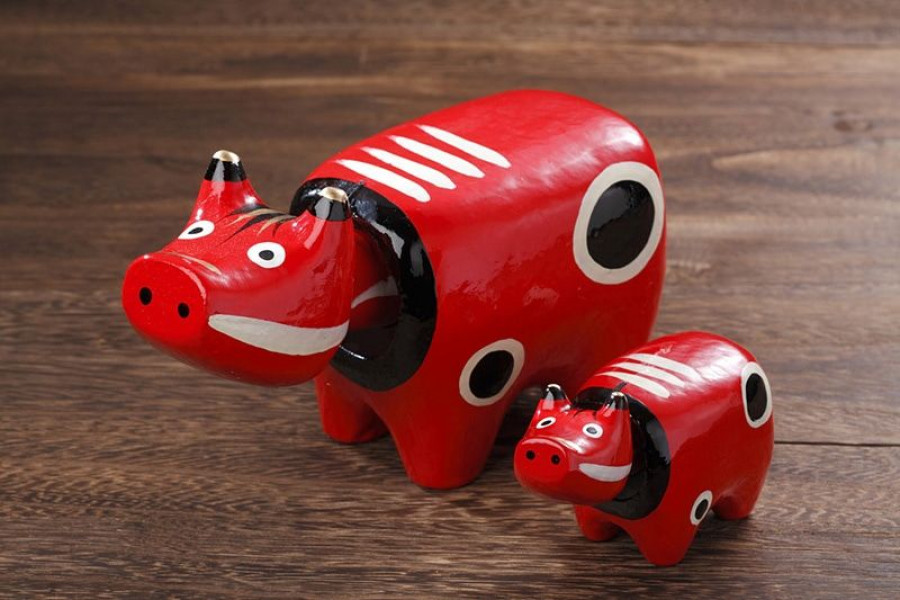
Akabeko is a traditional red papiermâché cow from Aizu characterised by its bobbing head movement. This ubiquitous folk toy is a beloved souvenir and cultural icon. There are several workshops in Aizu-Wakamatsu City where you can paint your own Akabeko.
Eisen Sake Brewery
Founded in 1869 in Aizu-Wakamastu, Eisen Sake Breweryis a renowned producer located in the Aizu region, specializing in handcrafted sake using local rice and pure water from the Aizu Ryugasawa Spring.Visitors can tour the brewery, learn about fermentation, and taste regional sake reflecting Aizu’s brewing heritage
Ashinomaki Snow Park
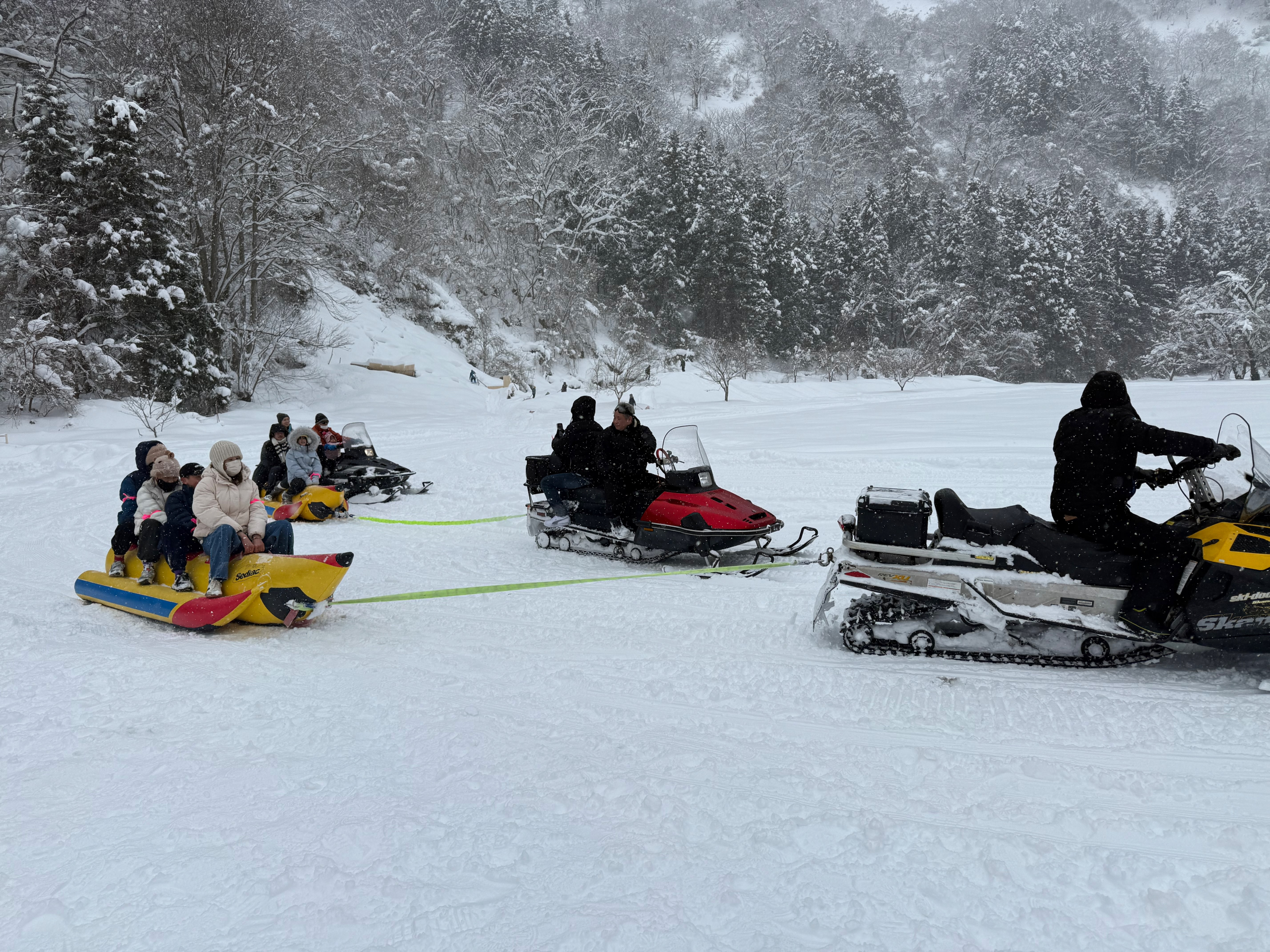
Set up and run by locals Ashinomnaki Snow Park this is all about having fun in the snow with snowmobiles, banana boats, snow rafting, sledding and tubing. It is all about community and family fun with the cost just 1000Y for adults, 800Y for primary school kids while kids are free.
Onsens
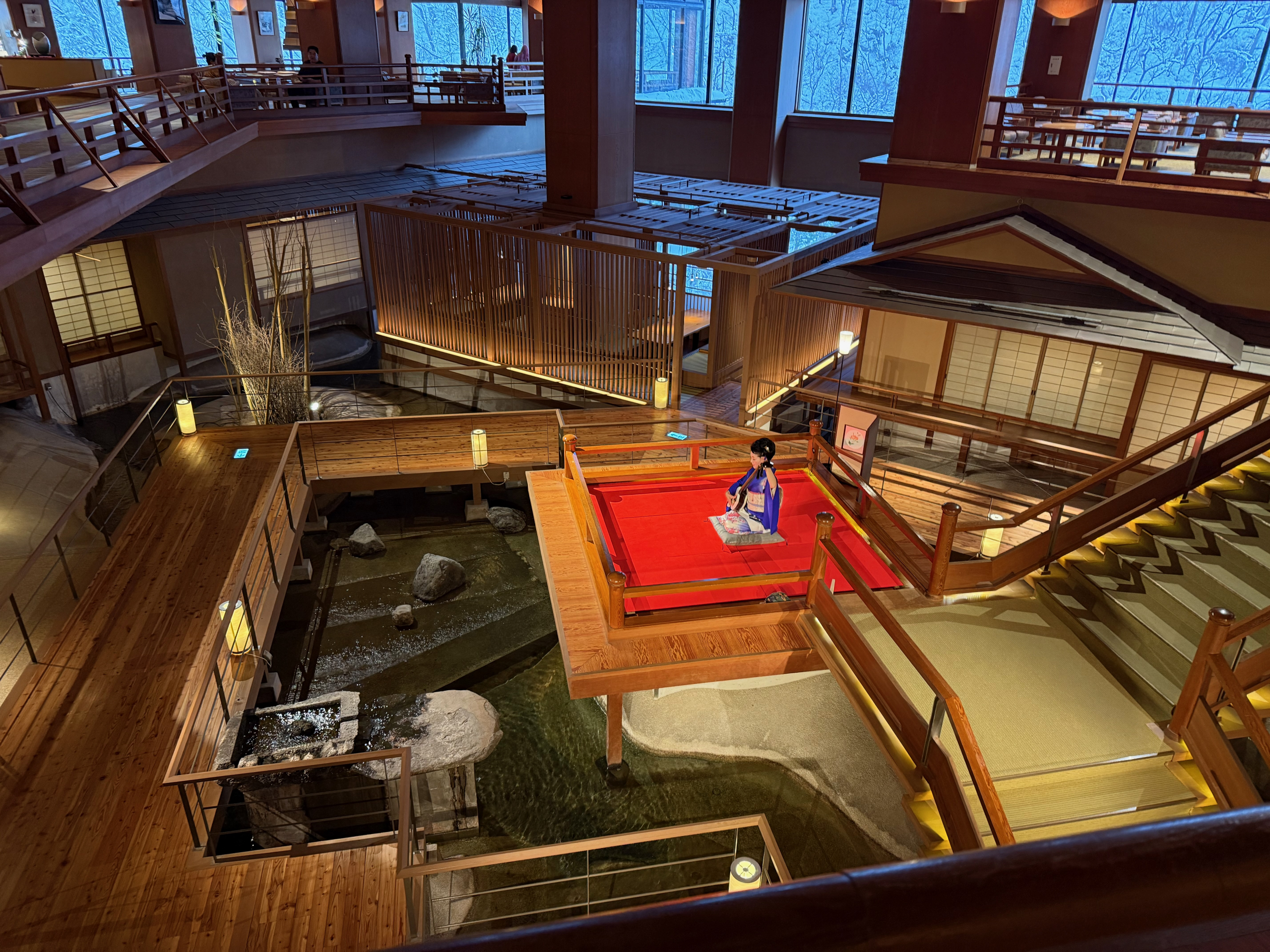
Aizuwakamatsu is surrounded by natural hot springs, and visiting a local onsen is one of the best ways to unwind after a day on the slopes or sightseeing. There are traditional bathhouses, ryokan-style onsens, and everything in between. Many hotels have their own onsens, some like Shousuke no Yado Takinoyu and Ookawaso have multiple indoor and outdoor onsens, fed directly by nearby hot springs
Aizu ski – Everything you could want for a snow holiday in Japan
My time is Aizu was memorable, and not just because I scored some incredible powder. This part of Fukushima is not only beautifully scenic, but a ski trip here is the perfect blend of snow, culture, food and tradition. NEKOMA is fun mountain, with the perfect mix of terrain for different standards and with the tree skiing, off piste options and terrain parks, NEKOMA offers more variety than other Japanese resorts.
Spending time off the snow and exploring Aizu-Wakamatsu gives you the chance to experience an authentic regional town full of history, traditions, and old-world charm. If you’re looking for something different and more than just time on snow for your next trip to Japan, Aizu could be the place for you.
How to get to Aizu-Wakamatsu
Take the Tohoku Shinkansen from Tokyo Station to Koriyama Station (about 1.5 hours).
Local train from Koriyama to Aizu-Wakamatsu – Transfer to the JR Ban’etsu West Line to reach Aizu-Wakamatsu (about 1.5–2 hours). For more information head to samurai-city.jp/access/en/
For more information, visit Discover Aizu website.
- Reggae travelled to Aizu as a guest of Aizu-Wakamatsu City and Hoshino Resorts