Travel: A Family Adventure in Hakuba Valley
Mountainwatch| Kate Nolan
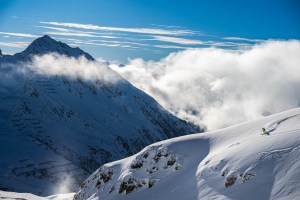
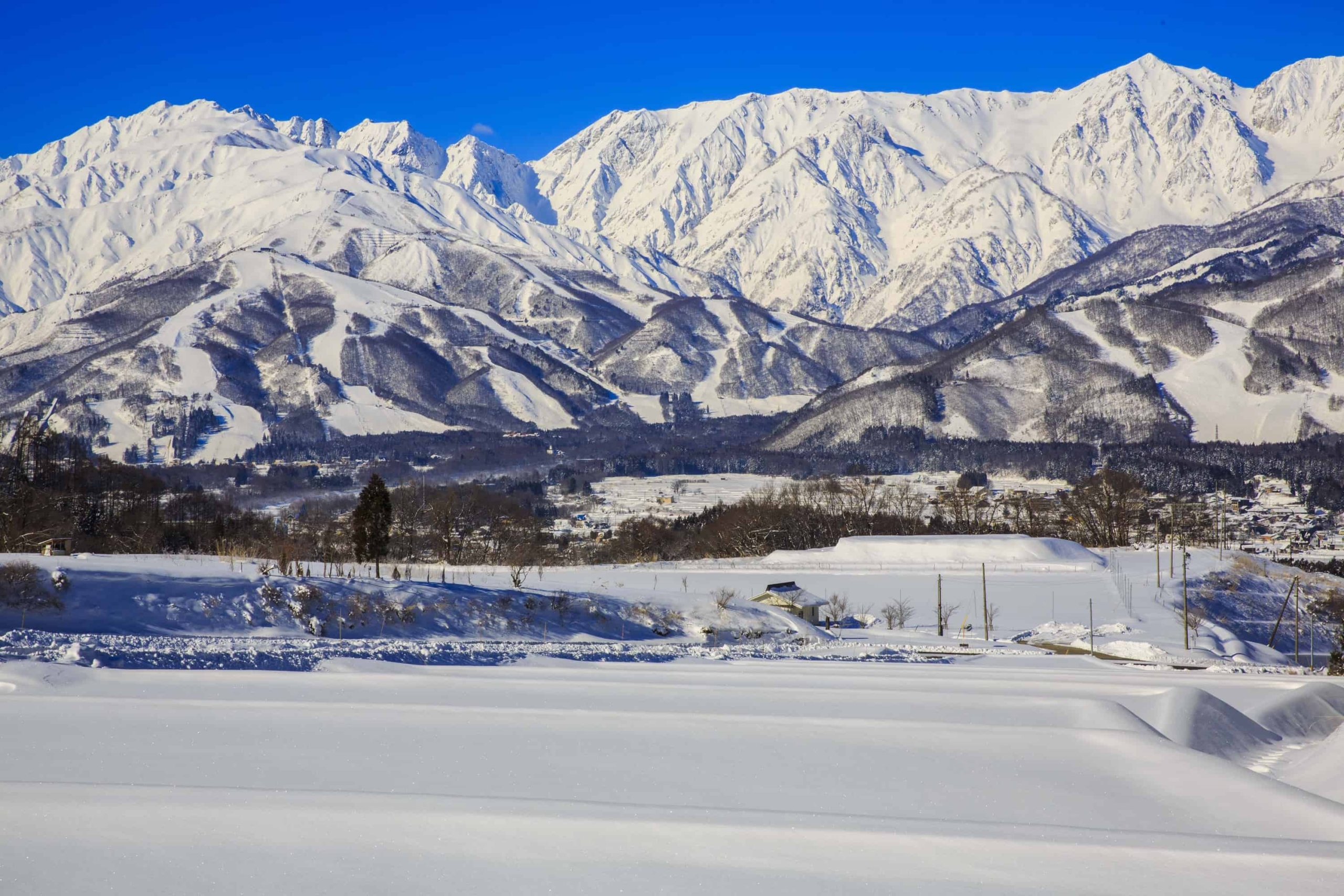
A few hours after landing in Tokyo, we were standing beneath the snow-covered peaks of the Japanese Alps. It was hard to believe the world’s biggest city could feel so far away.
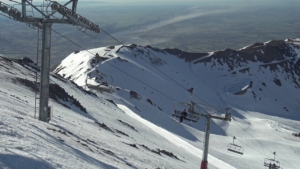
Hakuba Valley, in Nagano Prefecture, is one of Japan’s premier ski destinations, with 10 unique resorts offering terrain for everyone from first-time skiers to seasoned powder hunters. But what made this trip unforgettable wasn’t just the snow, it’s about the entire experience. It was riding the Shinkansen through the countryside, soaking in steaming onsens after skiing, wandering snow-covered villages and sharing bowls of ramen with the kids.
Hakuba delivered the perfect mix of adventure, culture and relaxation—one of those rare family holidays that had us talking about our return before we’d even left.
From Tokyo to the Mountains
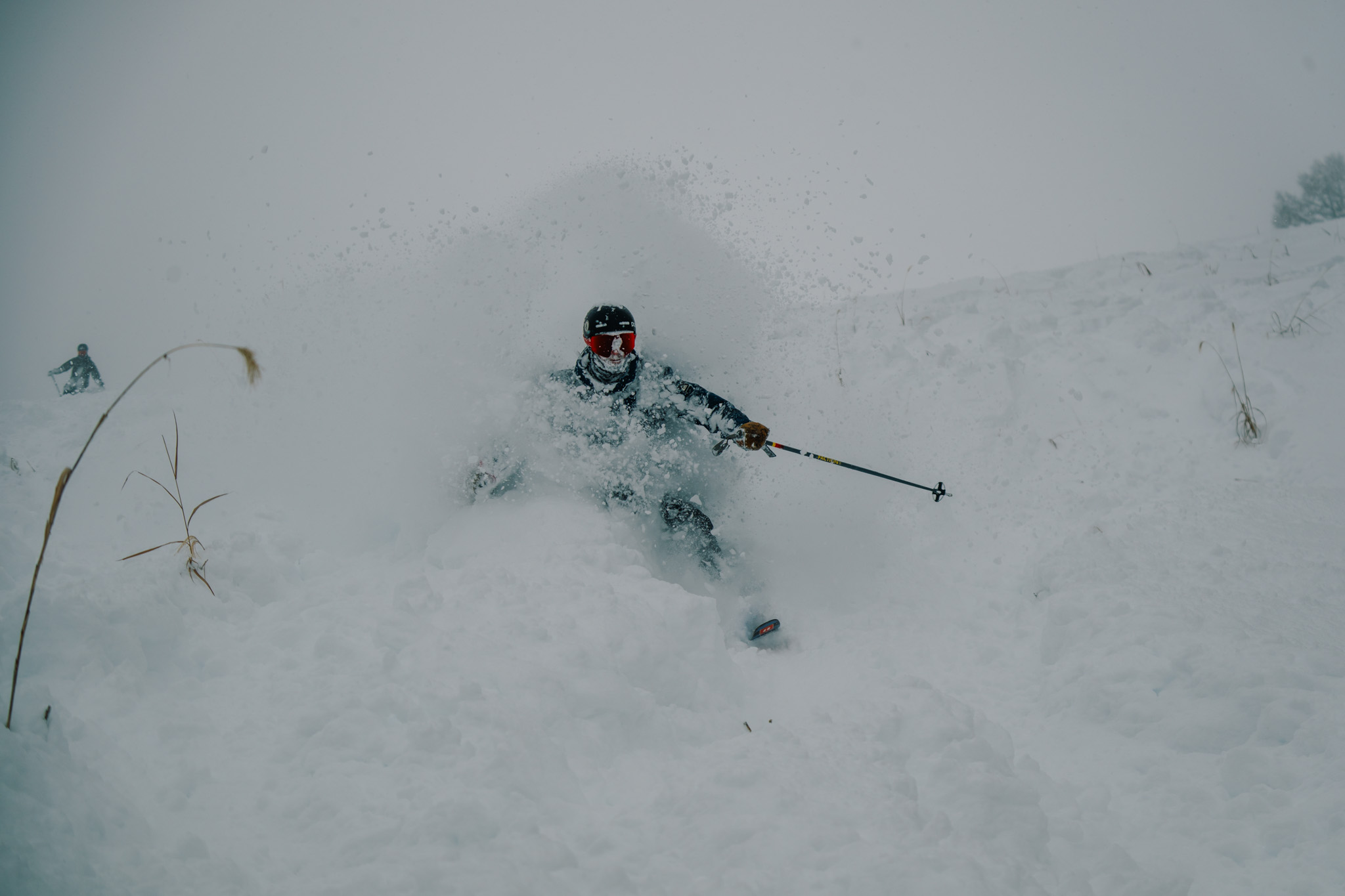
One of the biggest surprises was just how easy it was to reach Hakuba. Japan’s world-class transport network makes the journey seamless, and for our children, riding the famous Shinkansen was almost as exciting as skiing.
The fastest route is the bullet train from Tokyo Station to Nagano, a journey of around 90 minutes, followed by a one-hour shuttle bus into Hakuba Valley. Alternatively, the Limited Express Azusa runs directly from Shinjuku to Hakuba in around three and a half hours, while seasonal coaches travel from both Haneda and Narita airports for those wanting a hassle-free transfer straight from their flight.
Whichever option you choose, watching the landscape change from city skyline to snow-covered mountains is part of the experience.
Hot Tip: Travel Light
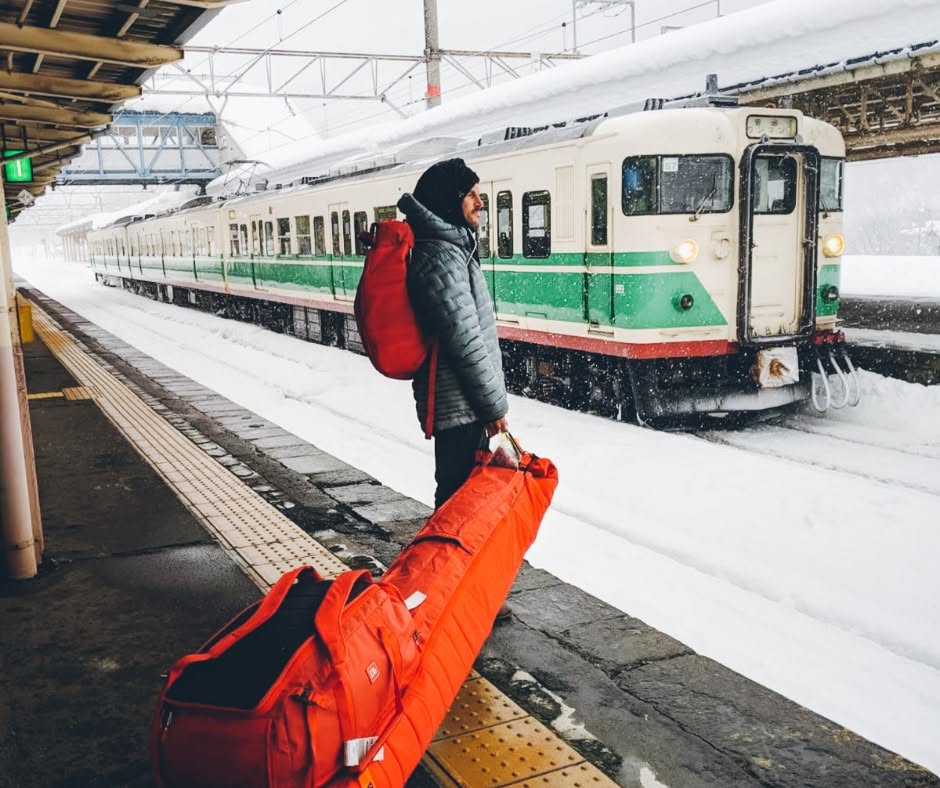
One of the smartest decisions we made was using Japan’s outstanding luggage delivery service. After clearing customs, we sent our ski bags and suitcases directly to our accommodation through Yamato Transport’s famous Black Cat service.
Instead of dragging heavy luggage through busy stations, we travelled with just backpacks and overnight essentials. Our bags were waiting for us in Hakuba the following day, and the journey became something to enjoy rather than endure. For families, it’s a genuine game changer.
Exploring Hakuba’s Resorts
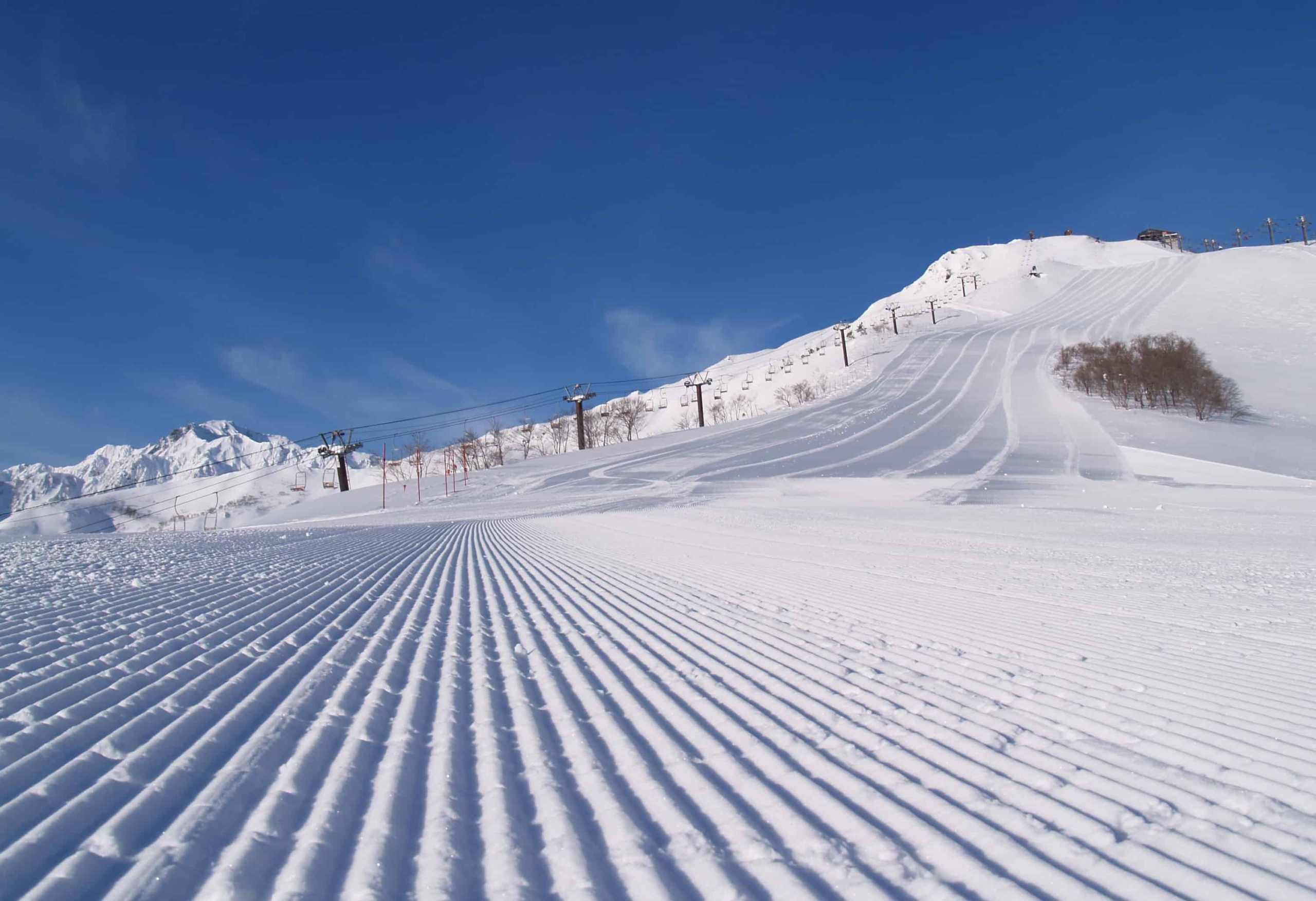
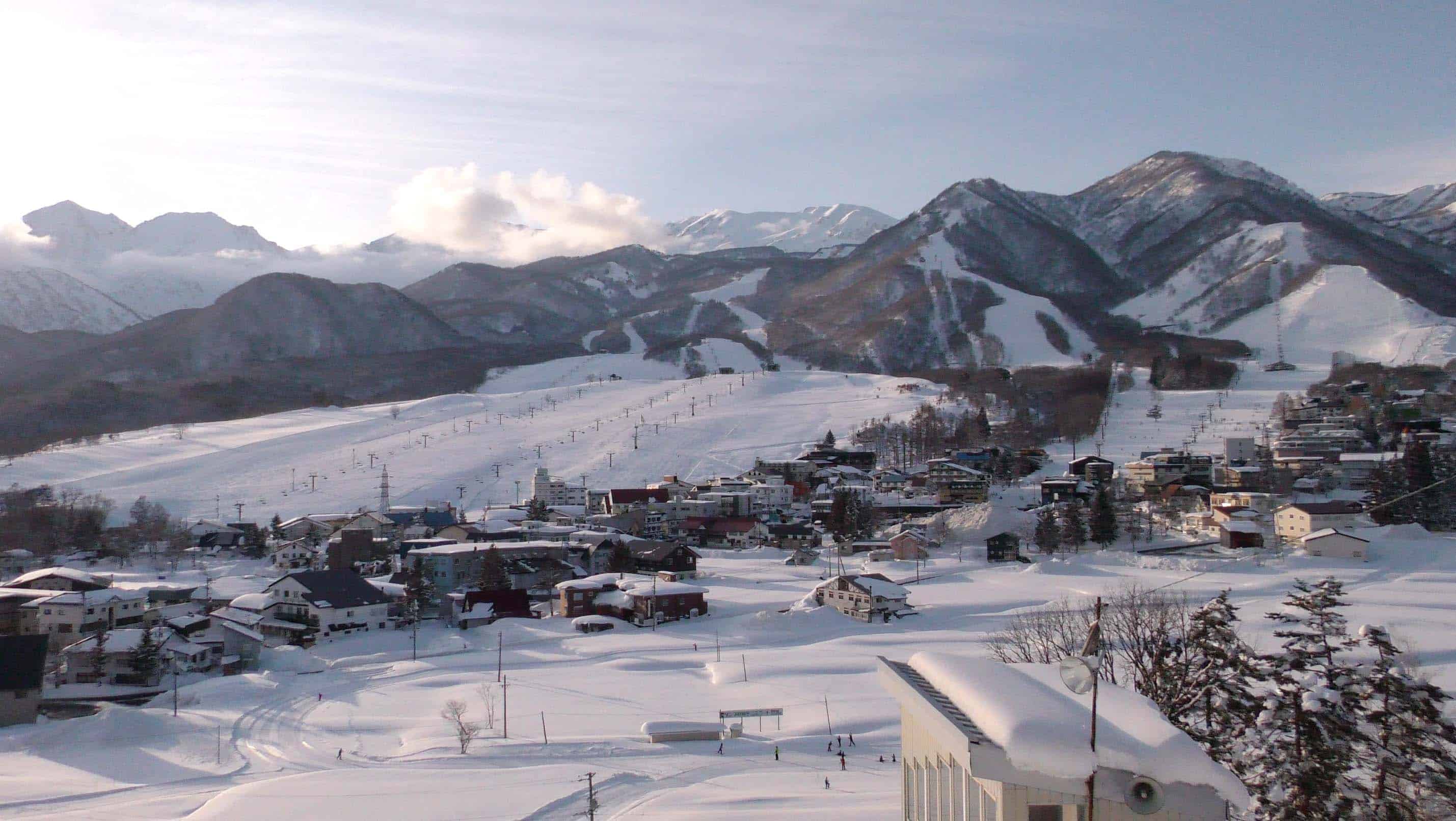
Hakuba’s greatest strength is its variety. Rather than one enormous ski resort, the valley is made up of 10 individual mountains, each with its own personality.
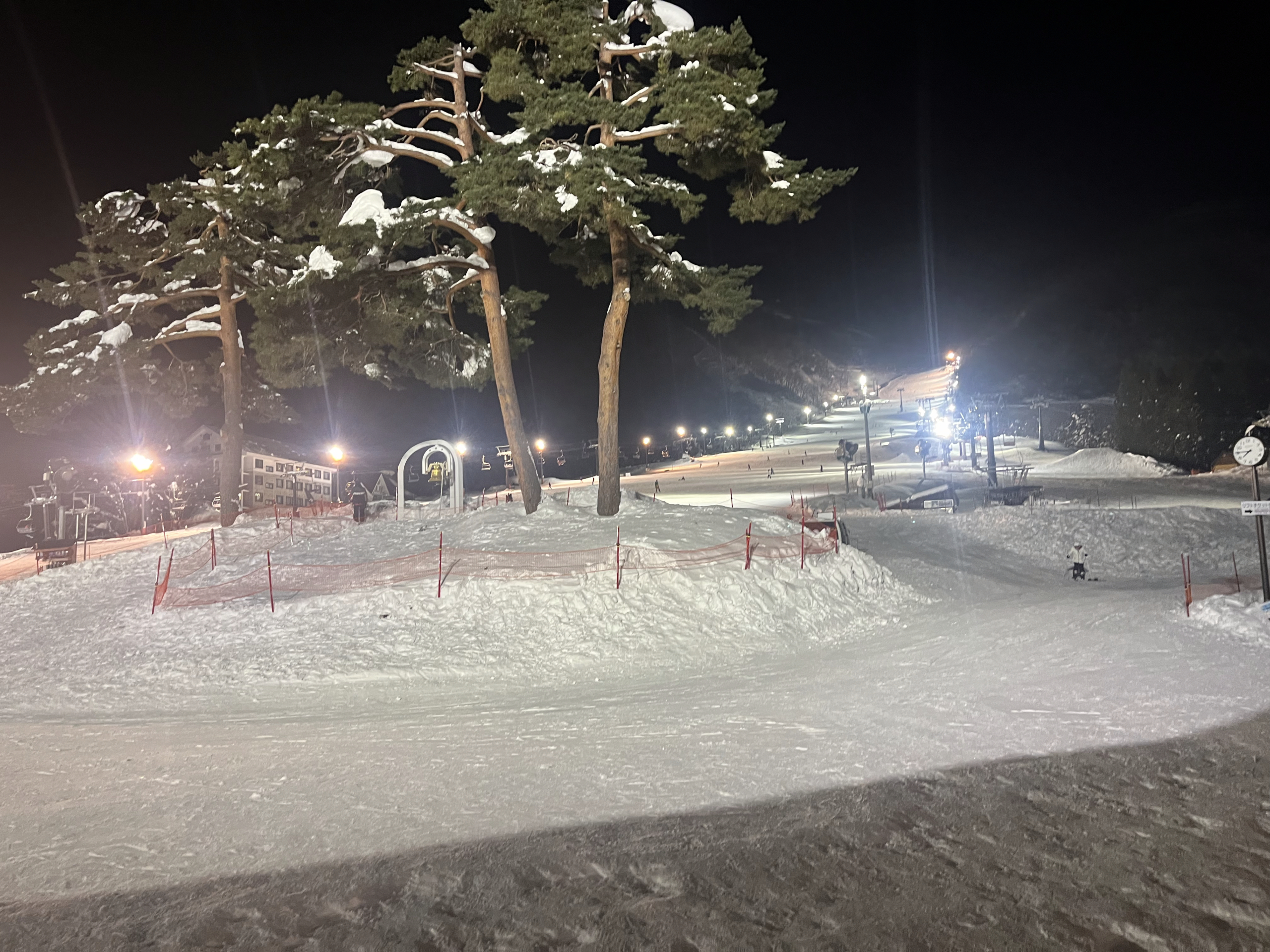
We found ourselves returning to Happo-One several times. As Hakuba’s largest and most iconic resort, it offers everything from wide beginner slopes to challenging terrain for experienced skiers.
Families will love the linked Hakuba Goryu and Hakuba 47 resorts, home to some of the valley’s best English-speaking ski schools and spacious beginner areas where children can build confidence without feeling crowded.
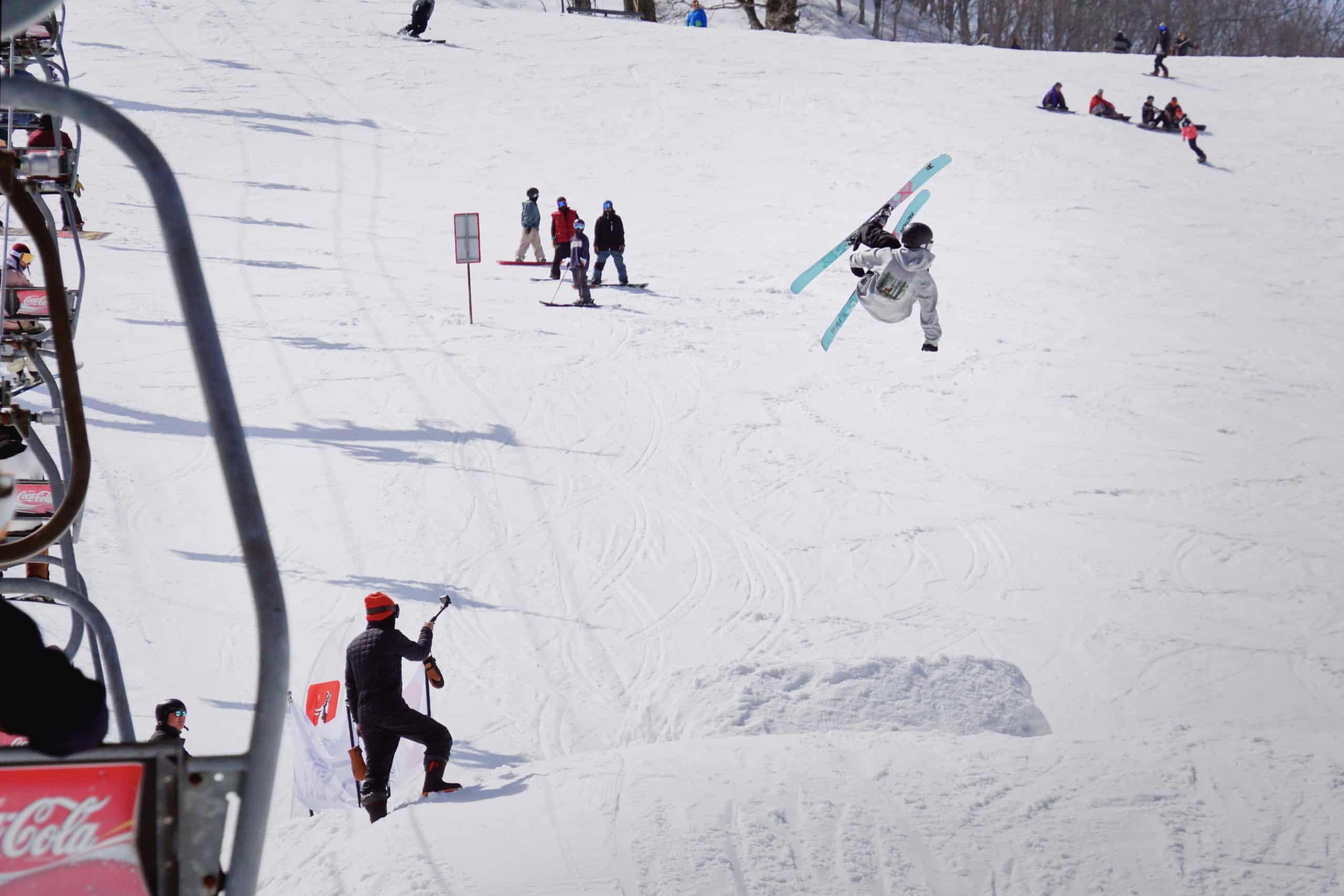
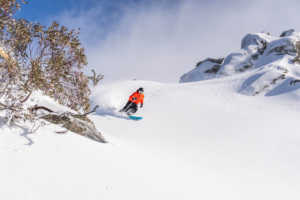
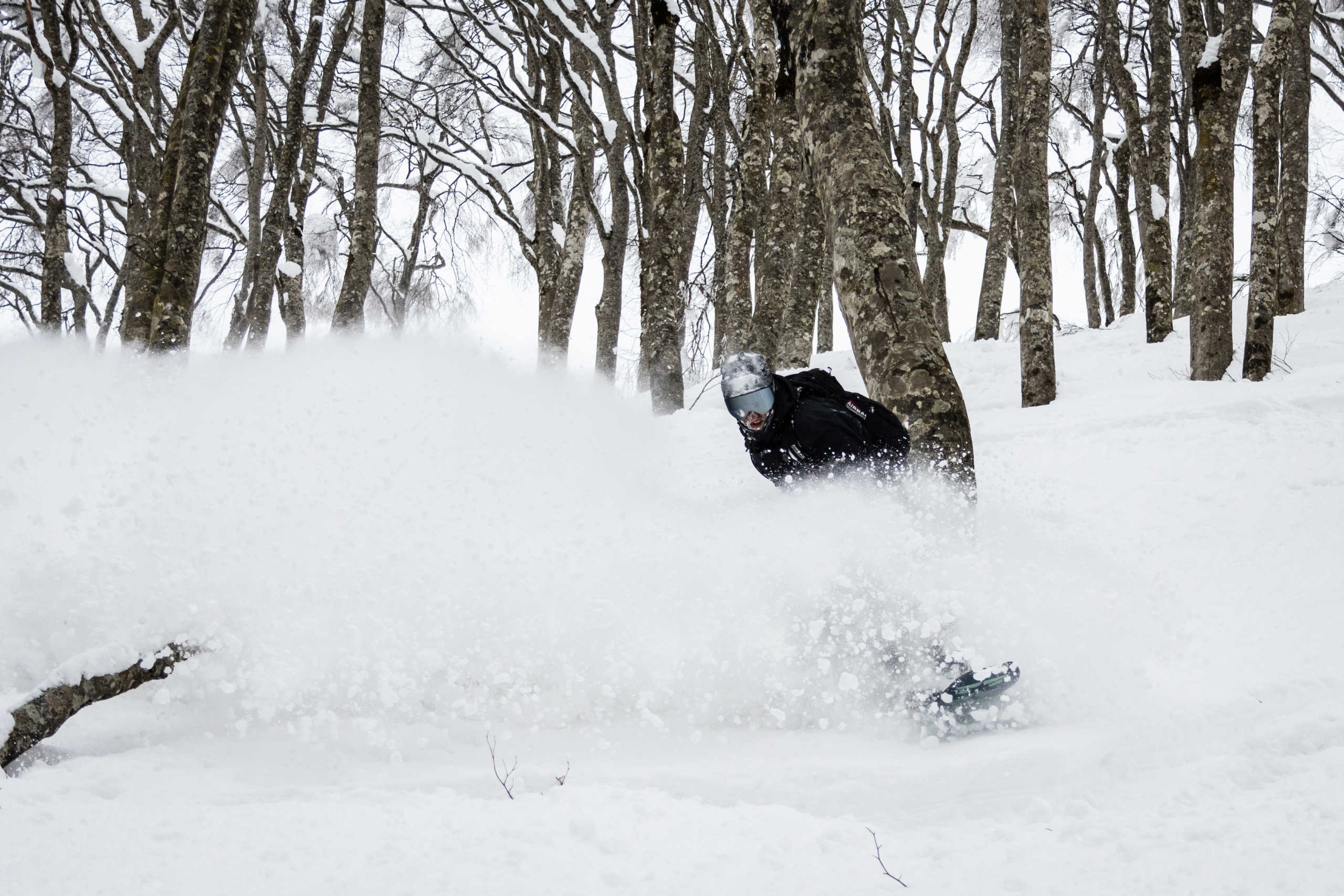
For spectacular views, Iwatake is hard to beat, while Tsugaike offers long, gentle cruising runs perfect for families and intermediate skiers. After fresh snowfall, powder lovers make a beeline for Cortina, famous for its deep snow and tree skiing.
The quieter resorts—including Norikura, Sanosaka, Kashimayari and Jiigatake—offer a more relaxed atmosphere and are ideal for escaping the crowds.
The Hakuba Valley All-Mountain Pass provides access to all 10 resorts and includes the valley shuttle buses, making it easy to ski somewhere different every day.
Choosing a Ski School
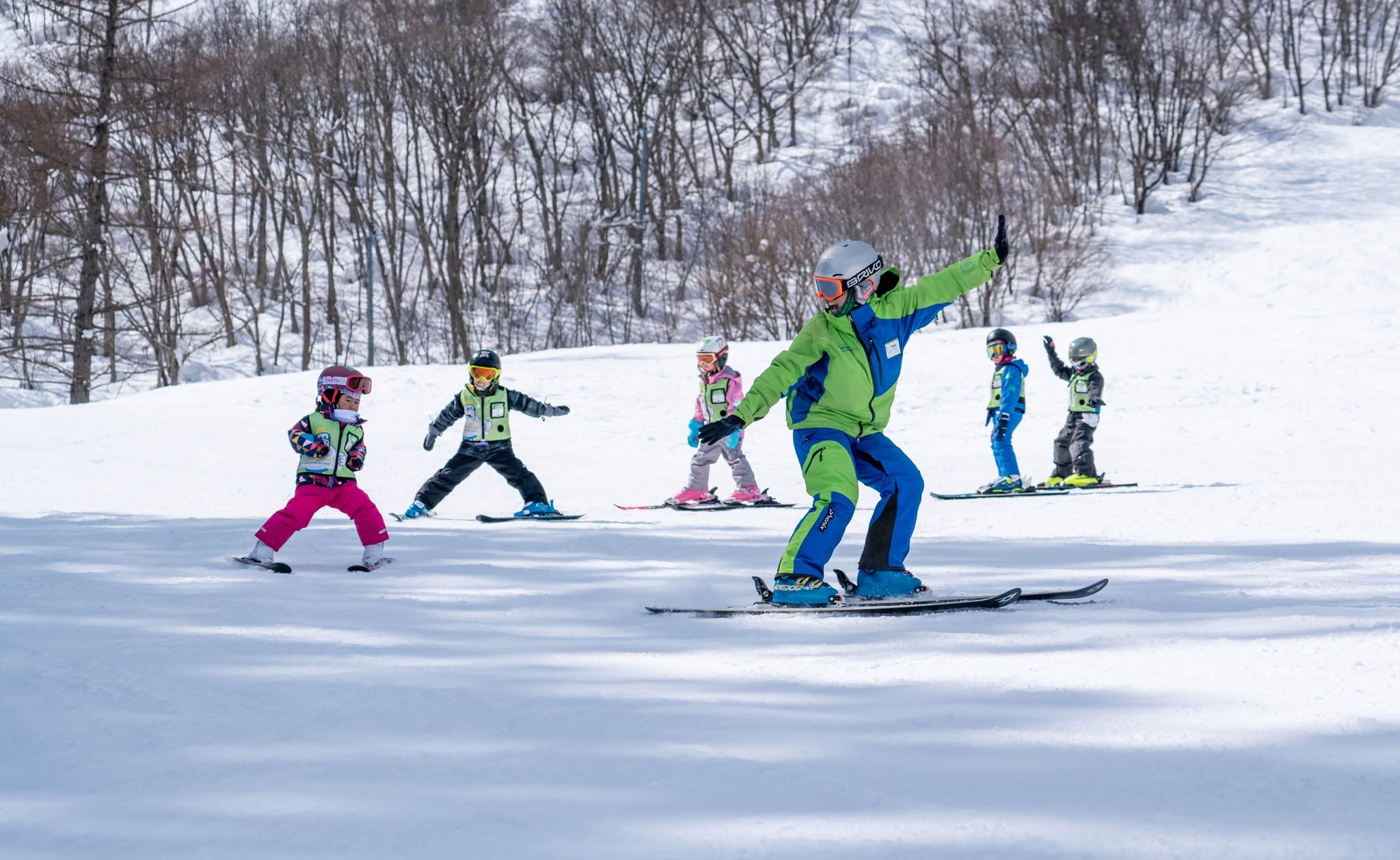
If you’re travelling with children, a good ski school can make all the difference.
Evergreen International Ski School at Happo-One is one of Hakuba’s best-established operators, offering English-speaking instructors, group lessons and private tuition. Families skiing at Hakuba Goryu and Hakuba 47 should consider Hakuba Snowsports School, which has an excellent reputation for its children’s programs and progressive teaching approach.
If you’d prefer everything organised for you, Hakuba Ski Concierge offers private lessons, equipment hire and transfers, creating a seamless experience from start to finish.
If you’d prefer everything organised for you, Hakuba Ski Concierge offers private lessons, equipment hire and transfers, creating a seamless experience from start to finish.
Getting Around
Hakuba’s free shuttle buses make it easy to move between resorts, particularly if you have the Hakuba Valley All-Mountain Pass. Services are reliable, although they become less frequent later in the afternoon, so it’s worth checking the timetable before heading out.
If I had one recommendation after our trip, it would be to hire a car once you arrive. Having our own vehicle gave us the flexibility to explore different resorts, enjoy dinner wherever we liked and move around the valley without worrying about bus schedules. Rental cars are fitted with winter tyres, and the roads are well maintained, but you’ll need an International Driving Permit before arriving in Japan.
Where to Stay
Where you stay will shape your Hakuba experience, and each village offers something a little different.
If you enjoy being close to the action, Happo-One is the obvious choice. It’s the heart of Hakuba, with the valley’s largest selection of restaurants, cafés, bars and après-ski venues, plus plenty of accommodation within walking distance of the lifts.
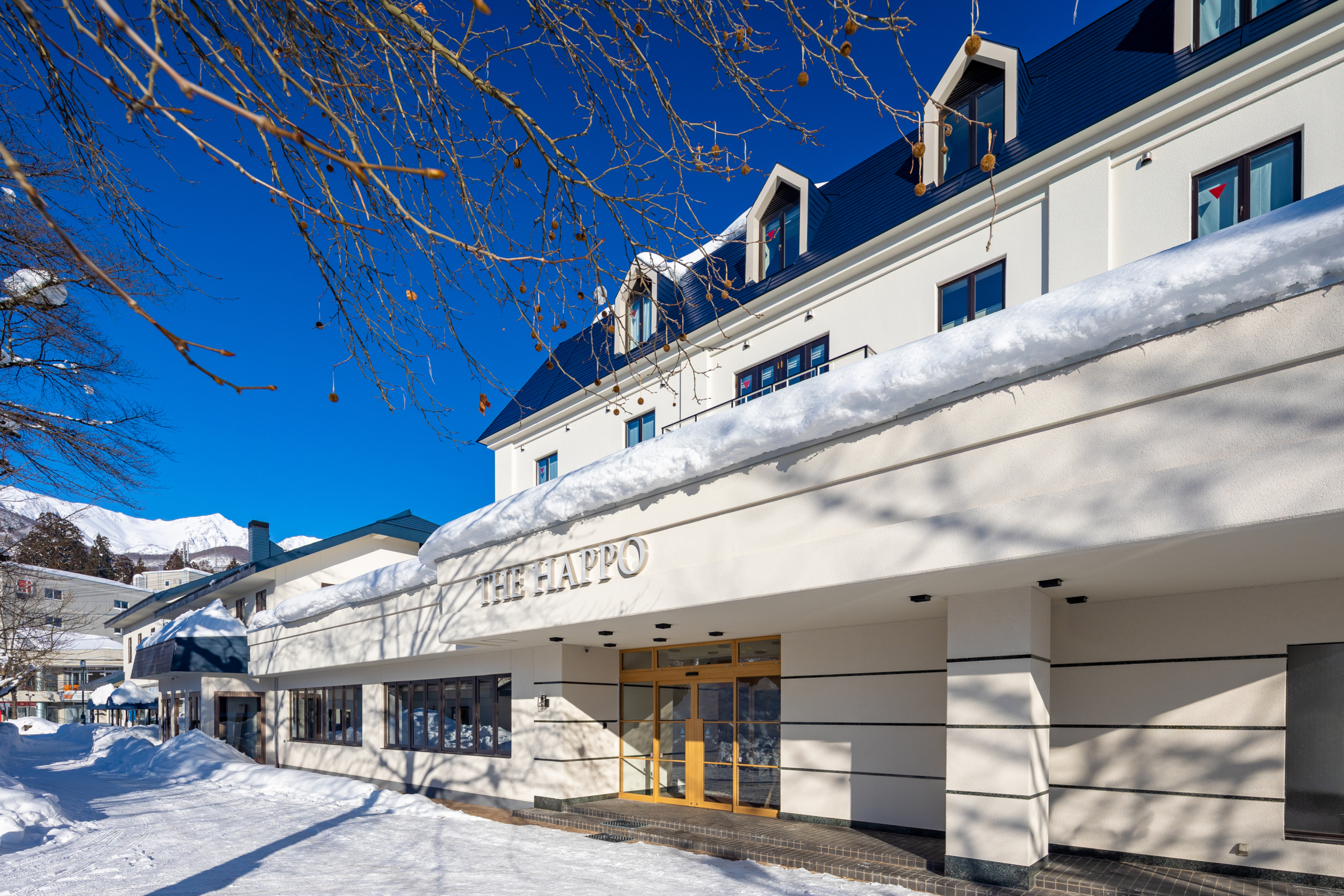
The Happo Hotel is an excellent base, combining a central location with a relaxing onsen that’s perfect after a day on the slopes. For true ski-in, ski-out convenience, Marillen Hotel sits beside the lifts and Hakuba Après, where outdoor fire pits, live music and a lively slopeside atmosphere make for a memorable afternoon. Families wanting extra space should consider Happo Apartments, which offer generous self-contained accommodation in the heart of the village.
If a quieter alpine setting appeals, Wadano is a fantastic alternative. Surrounded by snow-covered forest, it’s peaceful while still being close to Happo’s lifts and restaurants. Villa Hakuba is an excellent family option within easy walking distance of the Sakka lifts, while the newly renovated The Wadano combines contemporary accommodation with an outdoor onsen, Japanese izakaya, children’s playroom and karaoke room.
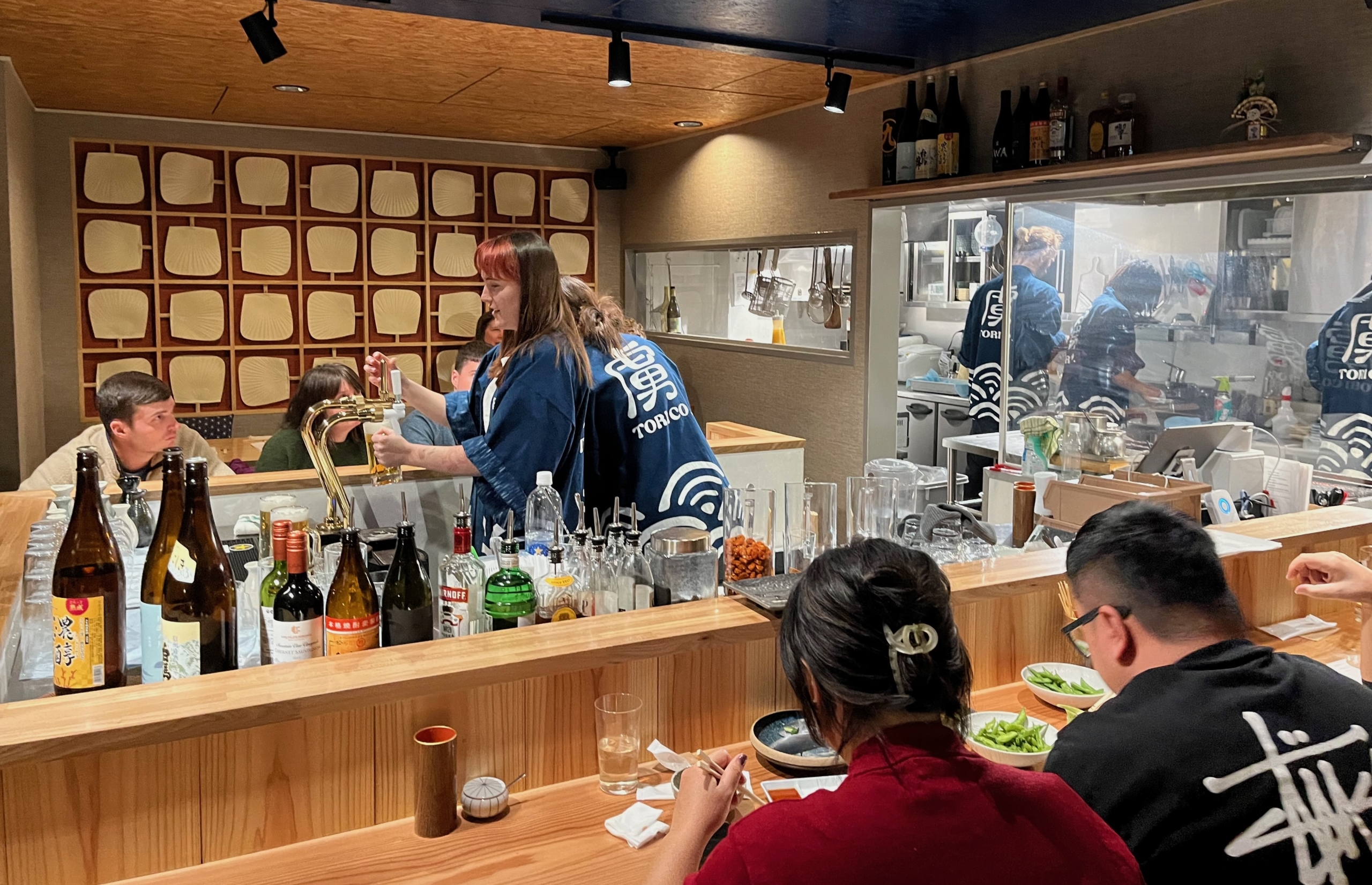
Food lovers should also consider Echo Land, Hakuba’s dining hub, where you’ll find everything from cosy cafés and wine bars to traditional Japanese restaurants. We found ourselves returning there regularly for dinner.
Families with younger children may prefer Hakuba Goryu, which offers a quieter atmosphere, excellent ski schools and easy access to the linked Goryu and Hakuba 47 resorts. It’s an ideal base for beginners, with relaxed evenings that make it easy to recharge for another day on the mountain.
Hot Tip: Book Restaurants Early
If you’re visiting during January or the Japanese Christmas and New Year holidays, book restaurants well before you arrive. Many of Hakuba’s most popular venues use TableCheck, making reservations easy and avoiding the disappointment of searching for a table after a long day skiing.
Beyond the Ski Slopes
While the skiing is world class, some of our favourite memories happened away from the mountains.
Soaking in a traditional onsen as snow fell outside became our favourite afternoon ritual. We loved wandering through Hakuba’s quiet villages, discovering tiny cafés and family-run restaurants, and introducing the kids to everything from steaming bowls of ramen to perfectly crisp tempura.

A day trip to see the famous snow monkeys at Jigokudani was another highlight and added another uniquely Japanese experience to our winter adventure.
Those moments reminded us that Hakuba offers far more than exceptional skiing—it’s an opportunity to immerse yourself in Japanese culture while enjoying one of the world’s great alpine destinations.
Would We Return? Absolutely.
Before travelling to Hakuba, I wondered whether skiing in Japan with young children would be too complicated. Instead, we found it remarkably easy. Between the efficient transport, English-speaking ski schools and the warmth and generosity of the Japanese people, everything felt effortless.
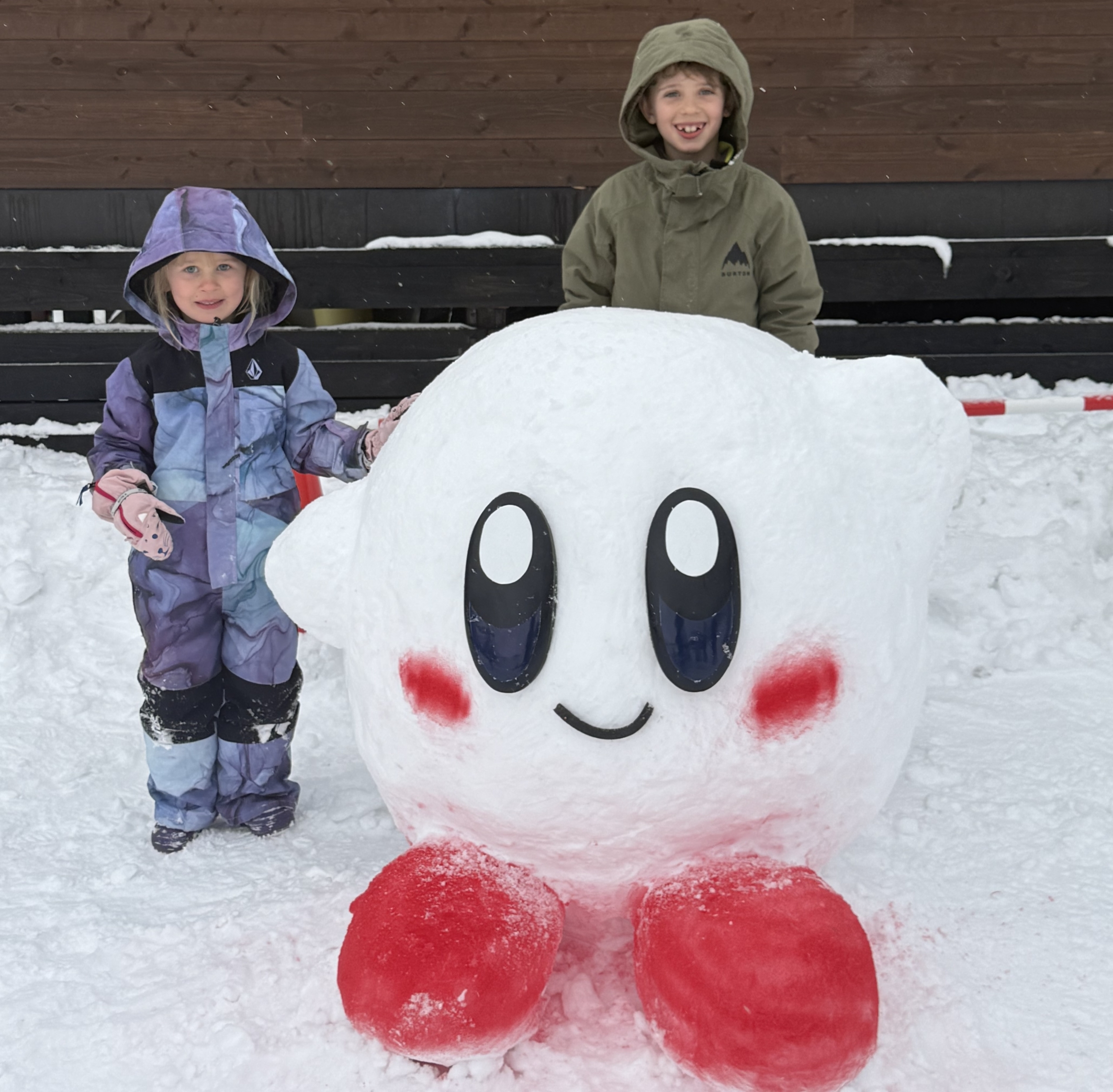
Yet the moments we’ll remember most weren’t necessarily our best runs on the mountain. They were watching the kids experience the Shinkansen for the first time, relaxing together in an onsen after a day in the snow, exploring mountain villages and sharing meals that became as memorable as the skiing itself.
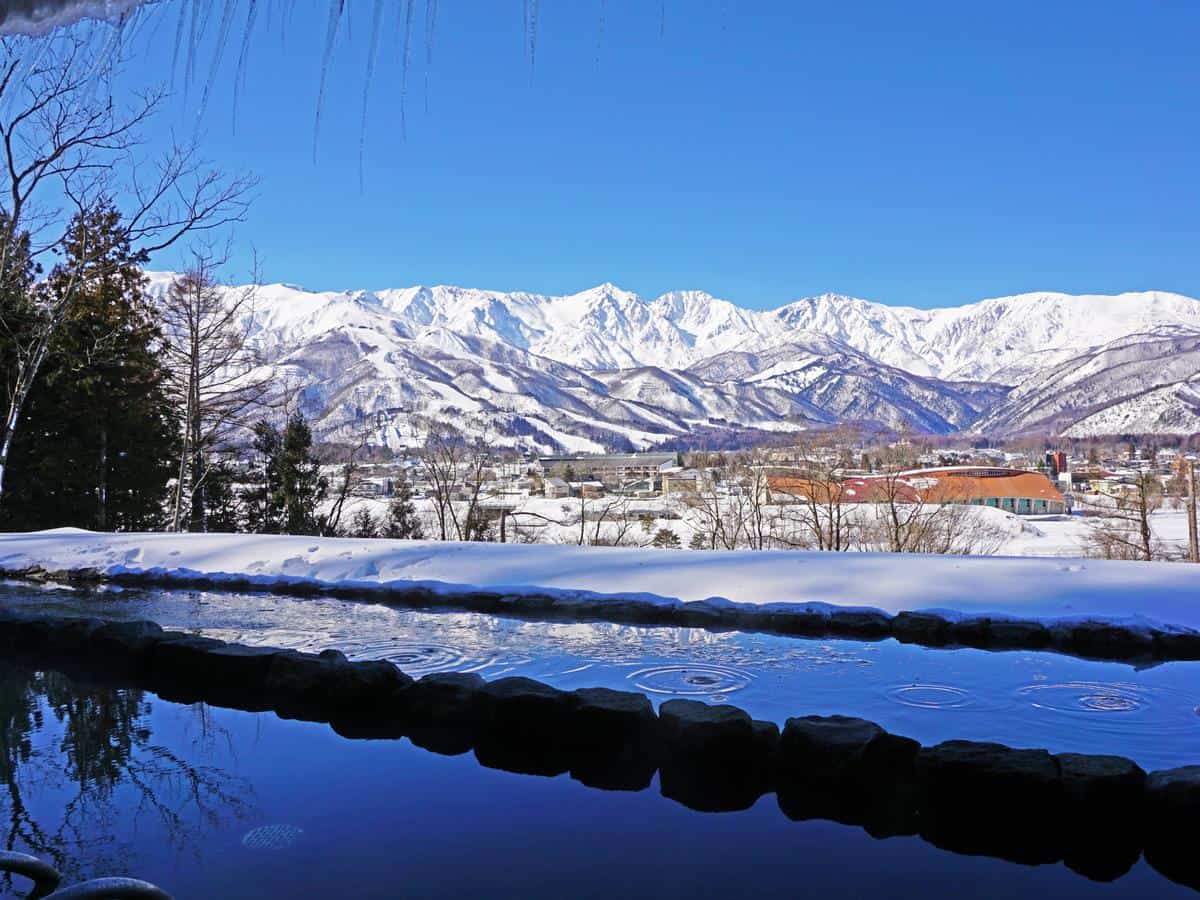
Hakuba isn’t simply a ski destination—it’s a family adventure that blends exceptional snow with unforgettable cultural experiences. Add a few days in Tokyo, Kyoto or Tokyo Disney Resort before or after your ski holiday, and it’s hard to imagine a better winter escape for Australian families.
Planning your next ski holiday? The team at Mountainwatch Travel can help create a seamless Hakuba itinerary, from flights and accommodation to lift passes, ski hire and lessons, so all that’s left for you to do is enjoy the adventure.